6505 Ware Road
Lino Lakes, MN 55014

Pet Dental Care: How to Prevent Common Oral Health Problems

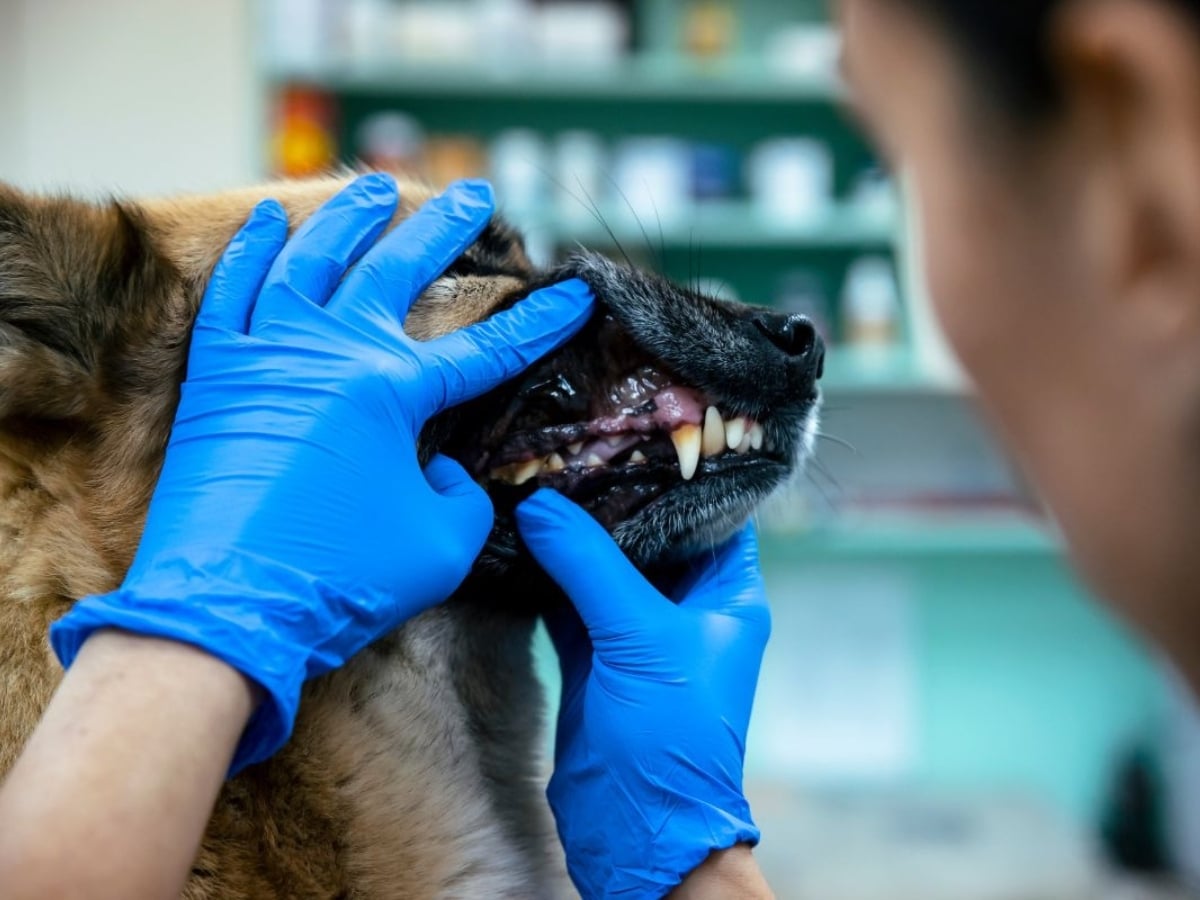
A healthy mouth plays an important role in your pet’s overall well-being. Dogs and cats use their teeth every day to eat, play, groom themselves, and interact with their surroundings. However, oral health problems can develop gradually, and many pets may not show obvious signs of discomfort until a condition becomes more advanced. That is why regular dental attention deserves a place in every pet’s wellness routine.
Pet dental care involves more than simply brushing your companion’s teeth. It includes routine oral examinations, professional dental cleanings when recommended, appropriate home care, and monitoring for changes such as bad breath, swollen gums, loose teeth, or difficulty eating. By taking a proactive approach, you can help protect your pet’s mouth and make it easier to identify potential problems early.
For pet families seeking dependable veterinary guidance, maintaining a consistent oral health routine can make a meaningful difference. With professional support and daily attention at home, families in Lino Lakes, MN can take practical steps to protect their pets from common dental problems.
Why Your Pet’s Oral Health Matters
Dental health affects much more than your pet’s breath. The mouth contains bacteria, and plaque can develop on the teeth after your pet eats. If plaque remains on the teeth, it can harden into tartar. Over time, this buildup can contribute to gum irritation and periodontal disease.
Unfortunately, pets often hide signs of discomfort. A dog may continue eating despite having a painful tooth, while a cat may quietly adapt to oral discomfort. Consequently, pet owners may not recognize a problem until it has progressed.
Regular oral assessments can help identify concerns before they become more serious. In addition, maintaining healthy teeth and gums can support comfortable eating and everyday activities.
Understanding Plaque and Tartar
Plaque is a soft film that develops naturally on the teeth. It contains bacteria, food particles, and other substances. Without regular removal, plaque can accumulate along the gumline.
As plaque mineralizes, it becomes tartar, also known as dental calculus. Unlike soft plaque, hardened tartar cannot usually be removed effectively with ordinary brushing alone.
Tartar can create rough surfaces where additional bacteria collect. Furthermore, buildup near the gumline can contribute to inflammation and periodontal disease.
That is why preventing excessive plaque accumulation is an important part of maintaining your pet’s oral health.
Common Oral Health Problems in Dogs and Cats
Pets can experience several types of dental and oral problems. Understanding the most common concerns can help you recognize warning signs.
Gingivitis
Gingivitis occurs when the gums become inflamed. The gums may look red, swollen, or irritated, particularly around the teeth.
If addressed early, gingivitis may be manageable with improved oral hygiene and professional veterinary care. However, untreated inflammation can progress and affect deeper structures surrounding the teeth.
Periodontal Disease
Periodontal disease is one of the most common dental conditions affecting pets. It can develop when plaque and tartar accumulate and inflammation progresses around the teeth.
As the condition advances, the tissues supporting the teeth can become damaged. Consequently, affected teeth may become loose or painful.
Regular dental examinations can help your veterinarian identify signs of periodontal disease and determine the appropriate next steps.
Broken or Damaged Teeth
Pets can damage their teeth by chewing on excessively hard objects, experiencing trauma, or engaging in other activities.
A fractured tooth may cause discomfort, even if your pet continues to behave normally. Watch for changes in chewing, reluctance to eat, excessive drooling, or pawing at the mouth.
If you suspect that your pet has broken a tooth, contact your veterinary team for an evaluation.
Loose Teeth
Loose teeth can indicate damage to the structures supporting the tooth. In adult pets, loose teeth should not simply be considered a normal part of aging.
A veterinary examination can help determine why a tooth has become unstable and whether treatment is appropriate.
Oral Growths or Unusual Changes
Lumps, growths, discoloration, bleeding, or unusual areas inside the mouth deserve veterinary attention. Not every oral growth indicates a serious condition, but an examination can help determine what is happening.
Bad Breath Should Not Be Ignored
Many pet owners assume that bad breath is simply normal for dogs and cats. However, persistent unpleasant breath can indicate an underlying oral health issue.
As bacteria accumulate in the mouth, they can contribute to noticeable odors. Gum inflammation, periodontal disease, damaged teeth, and other oral problems can also affect breath.
Therefore, pay attention to changes in your pet’s breath. If the odor becomes stronger or persists despite regular home care, ask your veterinarian to examine your pet’s mouth.
Bad breath does not provide a diagnosis by itself, but it can serve as a useful warning sign.
Watch for Changes in Eating Habits
Pets experiencing oral discomfort may change how they eat. However, these changes can be subtle.
For example, your pet may:
- Chew on one side of the mouth
- Eat more slowly
- Drop food while chewing
- Avoid hard food
- Prefer softer food
- Stop chewing toys
- Hesitate before eating
- Paw at the mouth
- Drool more than usual
Some pets may also become less interested in food. If your pet suddenly changes eating habits, do not assume the cause is behavioral.
A veterinary examination can help determine whether dental discomfort or another health issue is responsible.
Start an At-Home Dental Routine
Home dental care can play an important role in reducing plaque accumulation. Ideally, begin an oral hygiene routine when your pet is young. Nevertheless, adult and senior pets can also learn to accept gradual dental care.
Introduce new routines slowly. Allow your pet to become comfortable with having the mouth handled before attempting to brush the teeth.
Use products specifically designed for pets. Human toothpaste is not appropriate because some ingredients can be unsafe for animals.
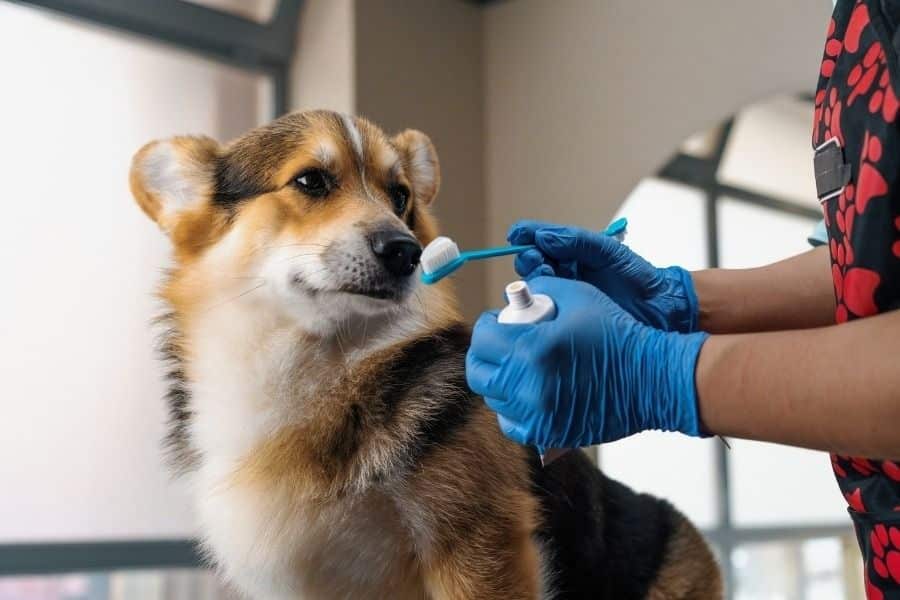
A pet-specific toothbrush and veterinary-approved toothpaste can make brushing more comfortable and effective.
How to Introduce Tooth Brushing
Start by gently touching your pet’s lips and teeth. Reward calm behavior so the experience remains positive.
Next, allow your pet to taste a small amount of pet-safe toothpaste. Once your pet accepts this step, introduce the toothbrush gradually.
Eventually, brush the outer surfaces of the teeth using gentle movements. Focus particularly on areas near the gumline, where plaque tends to accumulate.
Do not force the process. If your pet becomes frightened or highly resistant, pause and try again later. A gradual approach can help create a more positive routine.
Choose Dental Products Carefully
Pet stores offer many dental treats, chews, toys, water additives, and other products. However, not every product is appropriate for every pet.
Some extremely hard chews may damage teeth. Others may contain ingredients that do not suit pets with dietary restrictions.
Before introducing a new dental product, consider your pet’s age, size, chewing habits, diet, and health history. Ask your veterinarian for recommendations when you are unsure.
Dental products should complement, rather than replace, regular veterinary examinations.
Professional Dental Cleanings Have an Important Role
Home brushing helps manage plaque, but it cannot replace professional veterinary dental care.
During a professional dental procedure, the veterinary team can thoroughly assess the mouth and clean areas that are difficult to reach at home. Depending on your pet’s needs, dental care may include evaluation of the teeth and gums, removal of accumulated tartar, polishing, and additional treatment when problems are identified.
Professional care can also help reveal issues beneath the visible surface of the teeth and gums.
Your veterinarian can recommend an appropriate dental schedule based on your pet’s oral health, age, lifestyle, and individual risk factors.
Why Dental Examinations Matter
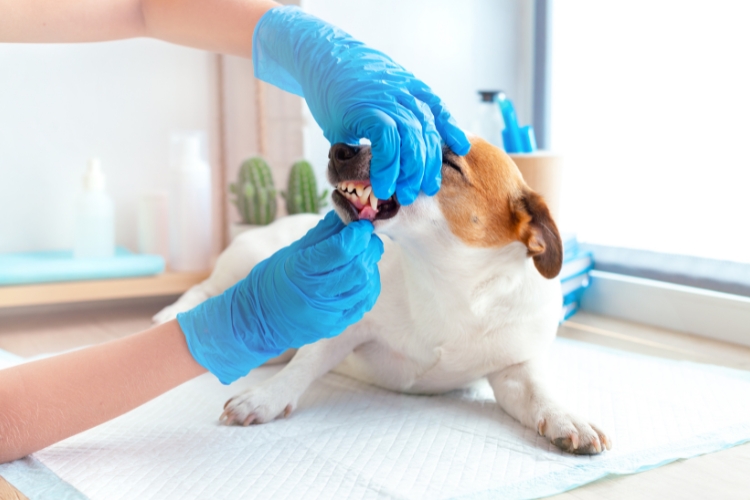
Routine veterinary examinations provide an opportunity to evaluate your pet’s mouth as part of overall wellness care.
During an oral assessment, the veterinarian may look for:
- Plaque and tartar
- Gum inflammation
- Damaged or fractured teeth
- Loose teeth
- Oral swelling
- Abnormal tissue
- Changes in the gumline
- Signs of discomfort
Early identification can make it easier to address concerns before they become more advanced.
Moreover, regular examinations allow your veterinarian to compare your pet’s oral health over time. This ongoing record can help guide future recommendations.
Dental Health and Your Pet’s Lifestyle
Different pets may have different dental needs. A dog that frequently chews toys may experience different risks than a cat that rarely chews objects. Age, diet, breed characteristics, previous dental problems, and daily habits can also influence oral health.
For example, some pets may develop plaque and tartar more quickly than others. Small dogs can be particularly prone to dental crowding, while cats can develop specific oral conditions that require veterinary attention.
Therefore, avoid assuming that one dental routine will work equally well for every pet. Your veterinary team can help create an approach suited to your companion.
Make Dental Care Part of Everyday Wellness
Dental care becomes easier when it becomes part of your pet’s regular routine. Instead of waiting for visible problems, make oral health a consistent priority.
Try these simple habits:
- Check your pet’s mouth regularly.
- Look for changes in gum color or swelling.
- Monitor breath for persistent odors.
- Brush with pet-safe dental products when appropriate.
- Follow veterinary recommendations for professional cleanings.
- Choose dental products carefully.
- Watch for changes in eating or chewing.
- Schedule routine veterinary examinations.
Consistency matters. Even small steps can contribute to better oral hygiene when performed regularly.
When Should You Contact Rice Creek Animal Hospital?
Some dental signs require prompt professional attention. Contact our veterinary team if you notice:
- Bleeding from the gums
- Facial swelling
- Severe bad breath
- A broken tooth
- A loose adult tooth
- Difficulty eating
- Excessive drooling
- Pawing at the mouth
- Sudden reluctance to chew
- Significant changes in appetite
Do not wait for a dental problem to become severe before contacting Rice Creek Animal Hospital. Early evaluation can help identify the cause and determine the appropriate care for your pet.
Dental Care for Puppies and Kittens
Starting good habits early can make dental care easier later in life. Puppies and kittens can gradually become comfortable with mouth handling, brushing, and routine veterinary examinations.
Young pets also need appropriate attention as their teeth develop and mature. Your veterinarian can monitor oral development and discuss home-care techniques.
Positive reinforcement can help young pets associate dental routines with pleasant experiences. Short, gentle sessions are generally easier to introduce than long or stressful attempts.
Dental Care for Senior Pets
Older pets deserve special attention to oral health. Years of plaque and tartar accumulation can contribute to dental disease, particularly when routine care has been inconsistent.
Senior pets may also experience other health changes that can affect their dental needs. Consequently, your veterinarian may recommend a more individualized approach to examinations and professional dental care.
Never assume that dental problems are simply a normal consequence of aging. A senior pet still deserves comfortable eating and a healthy mouth.
A Proactive Approach Can Protect Your Pet’s Smile
Preventing dental disease requires teamwork between pet owners and veterinary professionals. Daily home care helps control plaque, while professional examinations and cleanings address problems that cannot be managed effectively at home.
Furthermore, paying attention to subtle changes can help you seek veterinary guidance sooner. Your pet cannot tell you when a tooth hurts, so observing eating habits, behavior, breath, and mouth appearance becomes especially important.
With consistent attention, you can make oral health a natural part of your pet’s overall wellness routine.
Pet dental care should be an ongoing part of your companion’s healthcare routine. Regular brushing, appropriate dental products, professional examinations, and timely veterinary treatment can help reduce the risk of common oral health problems.
Most importantly, do not wait until your pet stops eating or shows obvious pain before paying attention to the mouth. Routine dental assessments can help identify plaque, tartar, gum inflammation, damaged teeth, and other concerns at an earlier stage.
If you have noticed bad breath, changes in chewing, visible tartar, or other oral health concerns, schedule an appointment with Rice Creek Animal Hospital. Our veterinary hospital can evaluate your pet’s oral health and recommend a dental care plan based on their individual needs.
Frequently Asked Questions
- How often should I brush my pet’s teeth?
Ideally, brushing should become a regular part of your pet’s home routine. Daily brushing can help control plaque, but even consistent brushing several times a week may provide benefits. Ask your veterinarian about the best approach for your pet.
- Is bad breath normal for dogs and cats?
Persistent bad breath should not be considered normal. It can be associated with plaque, tartar, gum inflammation, periodontal disease, or other oral problems. A veterinary examination can help identify the underlying cause.
- What are the signs that my pet may have a dental problem?
Common warning signs include bad breath, red or swollen gums, excessive drooling, difficulty chewing, dropping food, pawing at the mouth, loose teeth, reduced appetite, and reluctance to chew.
- Can dental treats replace brushing my pet’s teeth?
Dental treats may help reduce plaque for some pets, but they should not automatically replace brushing or professional dental care. Your veterinarian can recommend products that are appropriate for your pet.
- How can Rice Creek Animal Hospital help with my pet’s dental health?
Rice Creek Animal Hospital can evaluate your pet’s oral health during veterinary examinations and recommend appropriate dental care based on their individual needs. Professional dental services may also help address plaque, tartar, gum problems, and other oral concerns.
- When should I schedule a dental examination at Rice Creek Animal Hospital?
Schedule an examination if you notice persistent bad breath, visible tartar, swollen or bleeding gums, difficulty eating, a damaged tooth, excessive drooling, or other changes involving your pet’s mouth. Routine dental assessments can also help identify problems before they become more advanced.