6505 Ware Road
Lino Lakes, MN 55014

Is Your Pet’s Bad Breath Normal? When to See a Vet

Many pet owners notice bad breath and assume it is a normal part of having a dog or cat. However, persistent odor from your pet’s mouth can signal an underlying health concern. Your pet’s breath can reveal important information about their oral health and overall wellness.
Just like people, pets need regular dental care to prevent discomfort and disease. Plaque, tartar buildup, gum irritation, and dental infections can develop without obvious signs. Pets often hide pain, making early detection even more important.
At Rice Creek Animal Hospital, we understand how much your pets mean to your family. Our team provides compassionate veterinary care in Lino Lakes with a focus on helping pets maintain healthy, comfortable lives.
Is Bad Breath Normal for Pets?
A mild odor after eating can happen occasionally. However, strong or ongoing bad breath should never be ignored.
Persistent bad breath is often linked to bacteria buildup inside the mouth. These bacteria can collect around teeth and gums. Over time, they may lead to more serious dental problems.
Pets cannot tell you when their mouth hurts. They may continue eating while experiencing discomfort. This makes routine dental evaluations an important part of our pet dental services.
A veterinarian can examine your pet’s mouth and identify concerns before they become more difficult to manage.
What Causes Bad Breath in Dogs and Cats?
Several factors can contribute to unpleasant breath in pets. Understanding these causes can help you recognize when your pet needs attention.
Plaque and Tartar Buildup
Plaque is a sticky layer of bacteria that forms on teeth. Without proper cleaning, plaque can harden into tartar.
Tartar buildup creates a rough surface where more bacteria can collect. This may irritate the gums and contribute to dental disease.
Gum Disease
Periodontal disease is one of the most common oral health problems in pets. It affects the structures supporting the teeth.
Early gum disease may cause redness or mild swelling. As it progresses, it can lead to pain, tooth damage, and infection.
Broken or Damaged Teeth
Pets can break teeth while chewing on hard objects or toys. A damaged tooth may expose sensitive areas inside the tooth.
This can cause discomfort and allow bacteria to enter deeper tissues.
Oral Infections
Bad breath can sometimes indicate an infection in the mouth. Infections may develop around damaged teeth or unhealthy gums.
A veterinary examination helps determine the cause and the right treatment approach.
Why Dental Health Matters for Your Pet’s Overall Wellness
Your pet’s mouth is connected to their overall health. Dental problems can affect their comfort, eating habits, and daily behavior.
When bacteria from oral disease continue to spread, they may impact other parts of the body. Regular dental care helps reduce these risks.
Healthy teeth and gums also support better quality of life. Pets with painful mouths may become less playful or avoid certain foods.
Signs Your Pet May Need Dental Care
Bad breath is only one warning sign of possible dental problems. Pet owners should watch for other changes as well.
Common signs include:
- Difficulty chewing food
- Dropping food while eating
- Red or swollen gums
- Excessive drooling
- Pawing at the mouth
- Loose or missing teeth
- Changes in appetite
- Avoiding hard food
- Facial swelling
- Less interest in play
If you notice these symptoms, schedule a veterinary visit. Early attention can help prevent discomfort and more advanced dental issues.
How Professional Dental Care Helps Pets
Home dental care is important, but professional evaluations are also necessary. Pets require dental assessments that go beyond simple brushing.
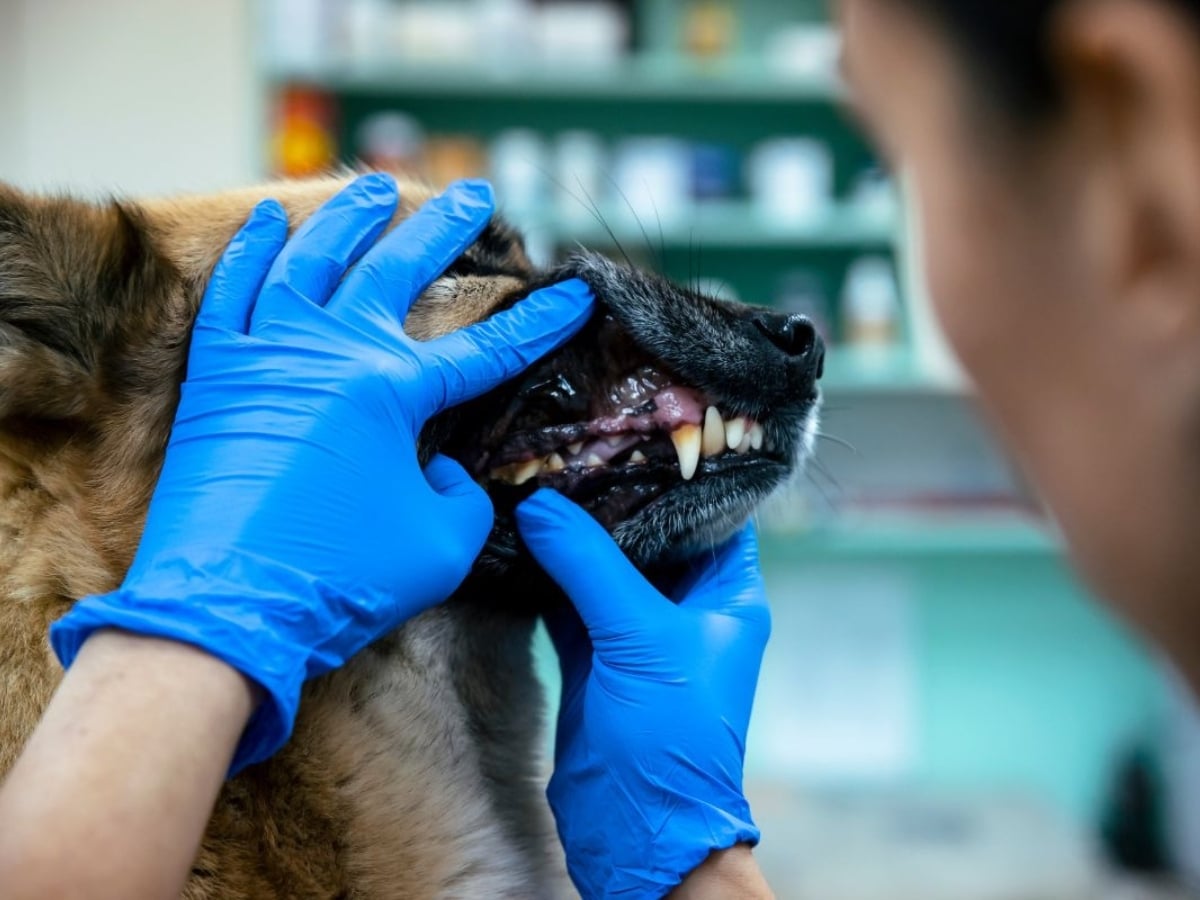
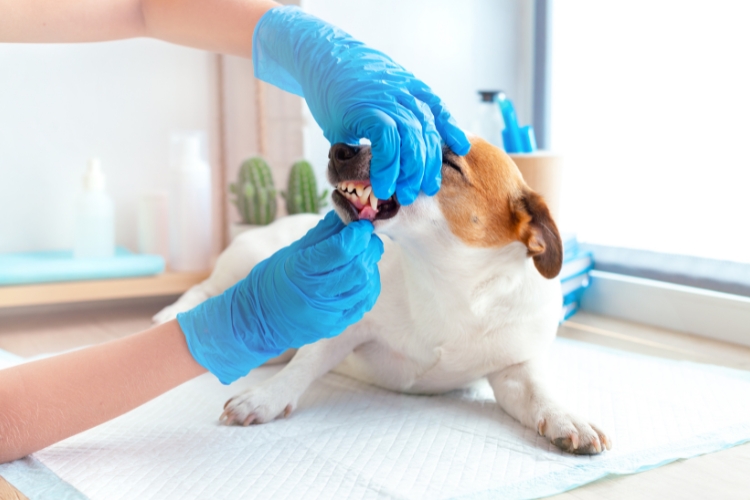
During a dental visit, your veterinarian examines your pet’s mouth. They look for signs of disease, damaged teeth, and other concerns.
A professional pet dental service helps identify problems that may not be visible during normal home care. Veterinary dental cleaning can remove buildup that regular brushing cannot address.
Your veterinarian can also recommend ongoing care based on your pet’s age, breed, and oral health needs.
What Happens During a Pet Dental Visit?
Many pet owners feel nervous about dental procedures. Knowing what to expect can make the process easier.
A dental appointment usually begins with a complete oral examination. Your veterinarian checks the teeth, gums, and surrounding tissues.
If dental cleaning is recommended, your pet receives appropriate care under veterinary supervision. This allows the team to safely clean areas that are difficult to reach.
Professional cleaning helps remove plaque and tartar. It also supports healthier gums and fresher breath.
After the procedure, your veterinary team may provide recommendations for maintaining your pet’s oral health at home.
How Can Pet Owners Prevent Bad Breath?
Consistent dental habits can make a major difference in your pet’s oral health.
Here are some steps that may help:
Schedule Regular Veterinary Exams
Routine exams allow your veterinarian to monitor changes. They can identify dental concerns before they become severe.
Brush Your Pet’s Teeth
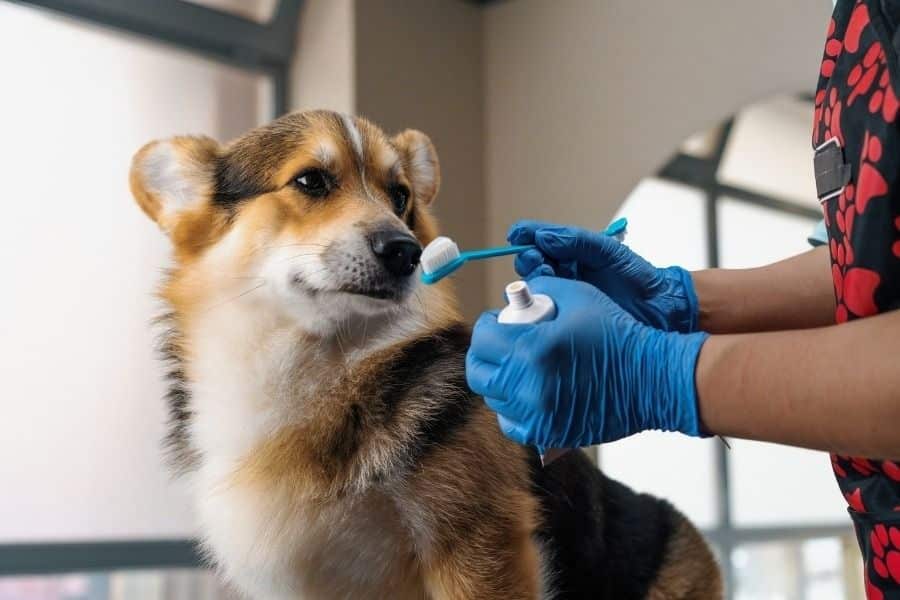
Regular brushing can help reduce plaque buildup. Always use products designed specifically for pets.
Provide Appropriate Dental Support
Your veterinarian may recommend dental products based on your pet’s needs. These options can support daily oral hygiene.
Watch for Changes
Pay attention to changes in breath, eating habits, and behavior. Small changes can provide important clues.
Give Your Pet a Healthier Smile
Your pet depends on you to notice changes in their health. Bad breath may seem minor, but it can be an important warning sign.
With regular examinations and professional dental support, you can help protect your pet’s comfort and wellness. Rice Creek Animal Hospital is here to provide trusted care for pets in Lino Lakes.
Schedule an appointment today and help your pet maintain a healthier, happier smile.
Frequently Asked Questions
1. Why does my dog or cat have bad breath?
Bad breath in pets is commonly caused by plaque, tartar buildup, gum disease, or dental infections. Persistent odor should be checked by a veterinarian.
2. Is bad breath a sign of dental disease in pets?
Yes. Bad breath is often one of the earliest signs of dental problems. A veterinary examination can identify the cause.
3. How often should pets receive dental care?
Dental needs vary based on your pet’s age, breed, and health. Your veterinarian can recommend an appropriate schedule.
4. Can I treat my pet’s bad breath at home?
Home care can support oral health, but it cannot replace professional dental evaluations. Veterinary care is needed for existing dental problems.
5. What happens if dental disease is left untreated?
Untreated dental disease can cause pain, tooth damage, and infections. It may also affect your pet’s overall wellness.
6. How can I tell if my pet has a painful mouth?
Signs may include reduced appetite, chewing changes, drooling, pawing at the mouth, or avoiding certain foods.
7. When should I schedule a dental appointment for my pet?
Schedule a visit if your pet has ongoing bad breath, visible tartar, gum changes, or changes in eating behavior.