6505 Ware Road
Lino Lakes, MN 55014

How to Take Care of a Kitten: Tips Every Pet Owner Should Know

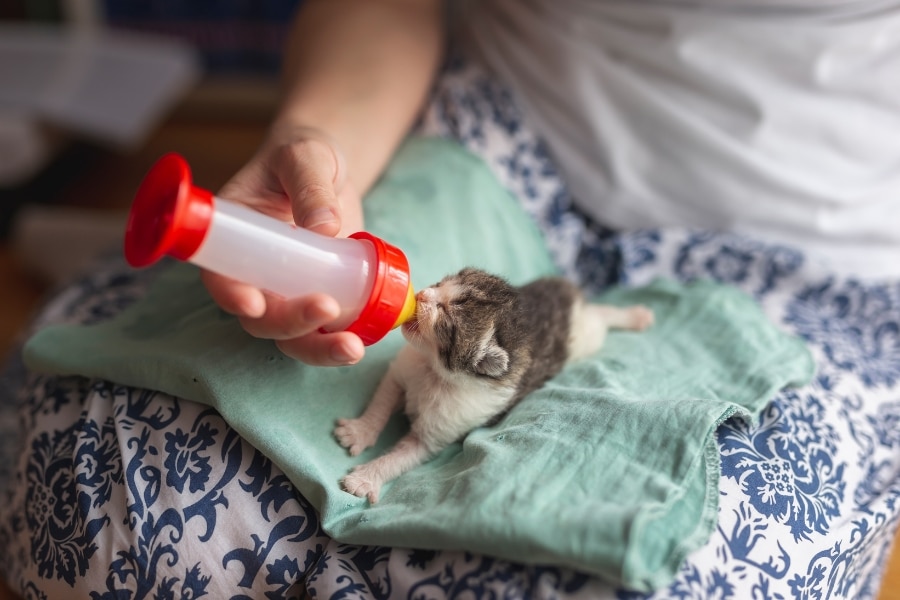
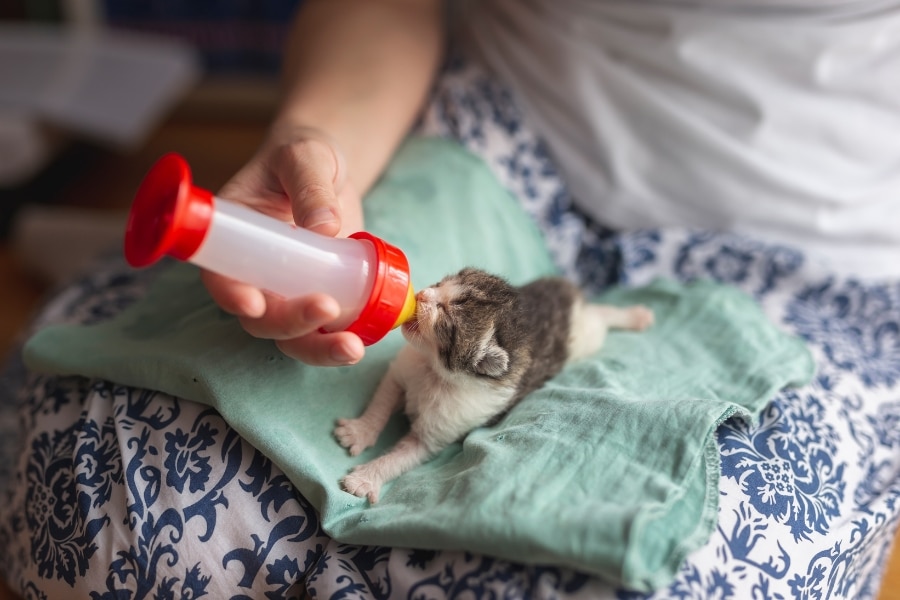
Bringing home a new kitten is an exciting experience filled with playful moments and new responsibilities. During the first few months of life, kittens grow rapidly, making proper nutrition, veterinary care, and socialization essential for healthy development. The habits you establish early can have a lasting impact on your kitten’s overall health and well-being.
Although kittens are naturally curious and energetic, they also rely on their owners to provide a safe environment and consistent care. Learning the basics of raising a kitten helps you build a strong bond while supporting healthy physical and emotional growth.
If you’re welcoming a new feline companion into your family, Rice Creek Animal Hospital offers comprehensive veterinary services and guidance to help kittens thrive in Lino Lakes, MN.
Why Early Kitten Care Is So Important
Kitten care begins the moment your new pet arrives home. The first year of life is filled with rapid growth and important developmental milestones. During this period, kittens develop stronger immune systems, build healthy bones and muscles, and learn behaviors that will continue into adulthood.
Providing proper care early offers several benefits, including:
- Supporting healthy growth
- Encouraging positive behavior
- Preventing common illnesses
- Promoting emotional well-being
- Building a strong relationship with your veterinarian
Additionally, establishing healthy routines early helps your kitten adjust more comfortably to their new home.
Prepare Your Home Before Your Kitten Arrives
Creating a safe environment is one of the first steps toward raising a healthy kitten. Since kittens enjoy exploring, it’s important to remove potential hazards before introducing them to their new surroundings.
Consider these preparations:
- Store medications safely.
- Keep electrical cords out of reach.
- Remove toxic plants.
- Secure cleaning products and chemicals.
- Place breakable items in safe locations.
- Provide comfortable bedding.
Furthermore, set up a quiet area where your kitten can rest and gradually become familiar with their new environment.
Provide Balanced Nutrition
Good nutrition supports healthy development throughout kittenhood. Young cats require specially formulated kitten food that contains the nutrients needed for growth.
When feeding your kitten:
- Choose high-quality kitten food.
- Follow feeding recommendations based on age.
- Provide fresh water at all times.
- Avoid feeding harmful human foods.
- Introduce dietary changes gradually.
As your kitten grows, your veterinarian can recommend adjustments based on weight, activity level, and overall health.
Schedule Regular Veterinary Visits
Routine veterinary care is one of the most important parts of raising a healthy kitten. Wellness visits allow your veterinarian to monitor development and identify concerns before they become more serious.
During these visits, your veterinarian may:
- Perform physical examinations
- Monitor growth and weight
- Recommend vaccinations
- Discuss parasite prevention
- Evaluate overall health
- Provide nutritional guidance
Regular checkups also give you the opportunity to ask questions about your kitten’s development and behavior.
Keep Vaccinations Current
Vaccinations help protect kittens from several preventable diseases during their early months.
Your veterinarian will create a vaccination schedule based on your kitten’s age, health status, and lifestyle. Following the recommended schedule helps build immunity while reducing the risk of illness.
Likewise, booster vaccinations play an important role in maintaining long-term protection.
Don’t Overlook Parasite Prevention
Kittens can be affected by fleas, ticks, intestinal parasites, and other pests. Parasites may interfere with healthy growth and can sometimes spread to other pets or family members.
Preventive care may include:
- Routine parasite screenings
- Preventive medications
- Flea and tick protection
- Regular fecal testing when recommended
Your veterinarian will recommend products appropriate for your kitten’s age and size.
Begin Litter Box Training Early
Fortunately, many kittens naturally learn to use a litter box. However, creating the right environment encourages consistent habits.
Helpful tips include:
- Place litter boxes in quiet locations.
- Keep boxes clean.
- Choose kitten-friendly litter.
- Provide easy access throughout the home.
If your kitten suddenly stops using the litter box, consult your veterinarian because medical issues can sometimes contribute to behavioral changes.
Encourage Positive Socialization
Socialization helps kittens become confident adult cats. During the first several months, gentle exposure to different people, sounds, and experiences supports emotional development.
You can encourage healthy socialization by:
- Handling your kitten gently every day
- Introducing family members gradually
- Providing interactive toys
- Offering positive reinforcement
- Allowing supervised exploration
However, avoid overwhelming your kitten with too many new experiences at once.
Support Dental Health Early
Good oral health begins during kittenhood. Although baby teeth eventually fall out, establishing healthy dental habits early benefits your cat throughout life.
Consider:
- Introducing pet-safe tooth brushing
- Providing veterinarian-approved dental products
- Monitoring teething changes
- Scheduling regular oral evaluations
Developing these habits early often makes future dental care much easier.
Provide Daily Play and Exercise
Play is more than entertainment—it supports both physical and mental development.
Interactive activities help kittens:
- Develop coordination
- Build muscle strength
- Improve confidence
- Reduce boredom
- Strengthen the bond with their owners
Rotate toys regularly to maintain your kitten’s interest while encouraging healthy activity.
Monitor Your Kitten’s Behavior
Observing your kitten’s daily habits helps you recognize changes that may indicate health concerns.
Watch for:
- Changes in appetite
- Vomiting or diarrhea
- Low energy
- Difficulty walking
- Sneezing or coughing
- Changes in litter box habits
Although some changes may seem minor, early veterinary evaluation often leads to better outcomes.
Create a Consistent Routine
Kittens thrive when they know what to expect. Feeding, playtime, grooming, and rest should follow a predictable schedule whenever possible.
Consistency helps reduce stress while encouraging healthy behaviors.
Additionally, routines make it easier for owners to notice changes in eating, sleeping, or activity levels.
Partner With a Trusted Veterinary Team
Building a relationship with your veterinarian during kittenhood supports lifelong health. Regular communication allows your veterinary team to provide personalized recommendations as your kitten grows.
Rice Creek Animal Hospital offers compassionate veterinary care designed to support kittens through every stage of development. Their experienced team helps pet owners understand the unique needs of growing cats while providing individualized wellness guidance.
Raising a kitten requires patience, commitment, and consistent veterinary care. Providing balanced nutrition, regular wellness visits, vaccinations, parasite prevention, socialization, and daily enrichment all contribute to a healthy start in life.
By following these essential guidelines, you can help your kitten develop into a happy, healthy adult cat. If you’re ready to give your new companion the best possible start, schedule an appointment with Rice Creek Animal Hospital.
Frequently Asked Questions
- When should I take my new kitten to the veterinarian?
Your kitten should visit a veterinarian shortly after coming home. Early wellness exams help assess overall health, establish a vaccination schedule, and discuss nutrition and preventive care.
- How often should kittens have veterinary checkups?
Kittens typically require several wellness visits during their first year to monitor growth, administer vaccinations, and ensure they are developing properly.
- What should I feed my kitten?
Kittens should eat a high-quality diet formulated specifically for their growth stage. Your veterinarian can recommend the best food based on your kitten’s age and nutritional needs.
- What services does Rice Creek Animal Hospital offer for kittens?
Rice Creek Animal Hospital provides comprehensive kitten wellness care, including physical examinations, vaccinations, parasite prevention, nutritional guidance, and ongoing health monitoring.
- How can I help my kitten adjust to a new home?
Provide a quiet space, maintain a consistent routine, introduce new experiences gradually, offer interactive play, and schedule regular veterinary visits to support a smooth transition.
- Why should I choose Rice Creek Animal Hospital for my kitten’s care?
Rice Creek Animal Hospital is committed to providing compassionate, personalized veterinary care for growing kittens. Their experienced team works closely with pet owners to support healthy development from the very beginning.