6505 Ware Road
Lino Lakes, MN 55014

How to Create a Healthy Routine for Your New Kitten

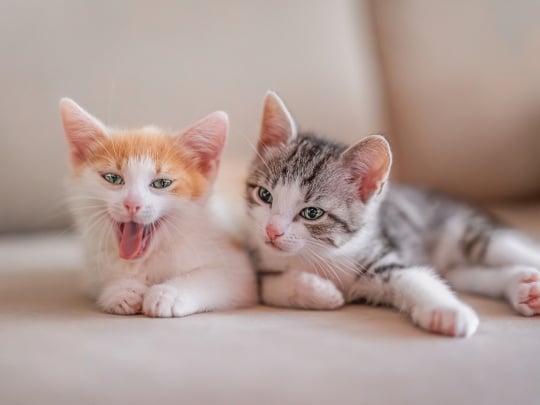
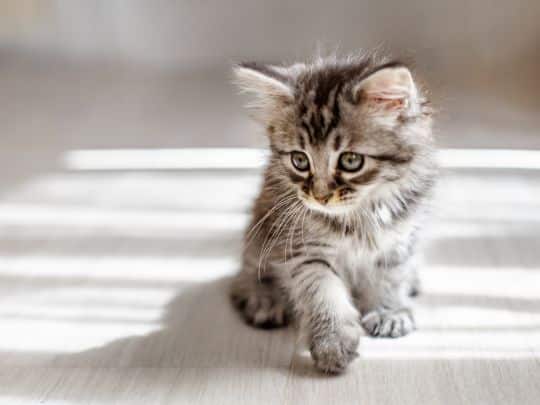
Bringing a new kitten home is an exciting experience, but it also comes with important responsibilities. During the first few months, your kitten is growing rapidly and learning how to feel comfortable in a new environment. Establishing a consistent daily routine can help your kitten adjust while giving you opportunities to monitor eating, activity, bathroom habits, and behavior. A thoughtful routine, combined with appropriate veterinary care, can help give your new companion a healthy start in Lino Lakes.
Start With a Consistent Daily Schedule
Kittens thrive when their days have some predictability. Try to keep meals, playtime, rest, and litter box care around similar times each day. A consistent schedule can make it easier for your kitten to understand what to expect and can help you recognize changes in normal habits.
Young kittens need plenty of sleep because their bodies are developing. Rather than expecting your kitten to stay active for long periods, provide a quiet, comfortable place where they can rest undisturbed. Short periods of play followed by rest are generally more appropriate for a growing kitten.
Your routine should also include time for gentle interaction. Playing with age-appropriate toys can provide enrichment and encourage healthy activity. Allow your kitten to explore gradually rather than overwhelming them with too many new experiences at once.
Establish Healthy Feeding Habits
Nutrition is an important part of kitten development. Feed a kitten-appropriate diet and follow feeding guidance from your veterinarian. Your kitten’s nutritional needs can change as they grow, so discussing food choices and feeding amounts with your veterinary team can help you make informed decisions.
Try to feed your kitten at consistent times and provide access to fresh, clean water. Avoid making frequent changes to your kitten’s diet unless recommended by a veterinary professional, as sudden changes can sometimes cause digestive upset.
Keep track of your kitten’s appetite as part of your daily routine. A noticeable change in eating or drinking habits may be worth discussing with your veterinarian.
Make Veterinary Care Part of the Routine
One of the most important parts of kitten care is establishing appropriate veterinary care early in life. Rice Creek Animal Hospital recommends that kittens have their first veterinary appointment at around eight weeks of age. During this visit, the veterinarian performs a complete physical examination to evaluate overall health, look for signs of congenital defects, and check for external parasites.
The first visit may also include deworming medications for roundworms and hookworms and the first round of kitten vaccinations. Our kitten care program also includes a blood test for feline leukemia and feline immunodeficiency virus during the initial visit.
Because kittens have important healthcare needs during their first year, your veterinarian can develop a customized healthcare plan based on your kitten’s specific needs. This gives you professional guidance as your kitten grows and develops.
Keep Vaccinations and Follow-Up Visits on Track
A kitten’s veterinary care does not end after the first appointment. According to our vets, puppies and kittens should generally attend three to four veterinary appointments between six and sixteen weeks of age. These visits allow the veterinary team to monitor overall health and administer vaccines on schedule.
Following your veterinarian’s recommended schedule is especially helpful during kittenhood, a period of rapid growth and development.
Create a Litter Box Routine
A clean, accessible litter box is an essential part of your kitten’s everyday environment. Place the box somewhere your kitten can easily reach while still providing a relatively quiet and comfortable setting.
Check the litter box regularly and keep it clean. Daily observation can also help you notice changes in your kitten’s bathroom habits. If your kitten suddenly stops using the litter box, strains, urinates more frequently, or shows other unusual changes, contact your veterinarian for guidance.
Consistent litter box care is not only about cleanliness. It also gives you a simple way to become familiar with your kitten’s normal habits.
Support Dental and General Hygiene
Early positive experiences with gentle handling can make future care easier. Gradually help your kitten become comfortable with having their paws, ears, mouth, and body handled. Keep these interactions calm and brief, and reward relaxed behavior.
Dental health should also become part of your kitten’s long-term wellness plan. Rice Creek Animal Hospital provides pet dental services as part of its full range of veterinary care. Discuss appropriate dental-care practices with your veterinary team rather than introducing products or routines without guidance.
Regular grooming can also help you notice changes involving the skin, coat, ears, or nails. If you notice anything unusual, your veterinarian can help determine whether further evaluation is appropriate.
Encourage Safe Exploration and Play
Your kitten’s environment should provide opportunities to explore, play, and rest safely. Offer age-appropriate toys and allow your kitten to investigate their surroundings at a comfortable pace.
Supervise new experiences and keep potentially hazardous household items out of reach. A designated resting area can give your kitten somewhere to retreat when they become tired or need quiet time.
Play sessions can be incorporated into the daily schedule without making them overly long. Watch your kitten’s energy and allow plenty of opportunities for sleep between active periods.
Monitor Changes in Your Kitten’s Health
A healthy routine makes it easier to recognize when something is different. Pay attention to your kitten’s appetite, energy, bathroom habits, behavior, and general appearance.
Routine veterinary examinations are valuable because they provide opportunities to assess your pet’s overall health and establish a baseline for future comparison. Preventative care at the practice includes wellness examinations, vaccinations, parasite control, microchipping, and nutrition and weight-management guidance.
If you notice a concerning change, do not assume it is simply part of growing up. Contact your veterinary team and explain what you have observed. For serious or time-sensitive emergencies, Rice Creek Animal Hospital advises pet owners to seek immediate care at a dedicated emergency or urgent veterinary facility because the practice is not an emergency or urgent-care clinic.
Build a Routine That Grows With Your Kitten
Your kitten’s routine will naturally change as they grow. Feeding patterns, activity levels, veterinary needs, and daily habits may all evolve over time. The goal is not to create a rigid schedule that never changes, but to establish dependable habits that support your kitten’s health and help you notice meaningful changes.
For families in Lino Lakes, having a trusted veterinary team can make this process easier. Our veterinary practice provides personalized puppy and kitten care plans designed around each young pet’s specific needs, along with ongoing support and guidance during the first year.
Give Your Kitten a Healthy Start
A healthy kitten routine combines consistent meals, adequate rest, safe play, litter box care, gentle handling, observation, and timely veterinary visits. Starting these habits early can help your kitten become comfortable in your home while giving you a strong foundation for ongoing wellness.
If you have recently welcomed a kitten into your family or are preparing for your kitten’s first veterinary visit in Lino Lakes, our team is here to help you understand the care your young companion needs. Contact us to learn more about establishing an appropriate healthcare plan for your new kitten.
FAQs
1. When should my new kitten have its first veterinary appointment?
Rice Creek Animal Hospital recommends that kittens have their first veterinary appointment at around eight weeks of age. The visit includes a complete physical examination, an assessment for congenital defects, and a check for external parasites.
2. What happens during a kitten’s first veterinary visit?
The first visit includes a complete physical examination. The veterinary team also checks for external parasites, administers deworming medications for roundworms and hookworms, and provides the first round of kitten vaccinations. A blood test for feline leukemia and feline immunodeficiency virus is also performed for kittens.
3. How often will my kitten need veterinary visits during its first few months?
Rice Creek Animal Hospital states that kittens should attend three to four veterinary appointments between six and sixteen weeks of age. These appointments allow the veterinary team to monitor your kitten’s health and administer vaccines according to schedule.
4. How can I keep track of my kitten’s veterinary appointments?
Clients can use the PetDesk app offered by Rice Creek Animal Hospital to access vaccination records and appointment schedules. The app also provides reminders that can help you stay organized with your pet’s healthcare.
5. What should I monitor as my kitten settles into a new home?
Pay attention to your kitten’s appetite, drinking, energy, bathroom habits, behavior, and general appearance. Knowing what is normal for your kitten makes it easier to recognize changes that may need veterinary attention.
6. Can my kitten’s healthcare plan be customized?
Yes. Rice Creek Animal Hospital states that its veterinarians develop a customized healthcare plan to meet each puppy or kitten’s specific needs during the first year and provide guidance and support along the way.