6505 Ware Road
Lino Lakes, MN 55014

How to Recognize Subtle Mobility Changes in Senior Pets

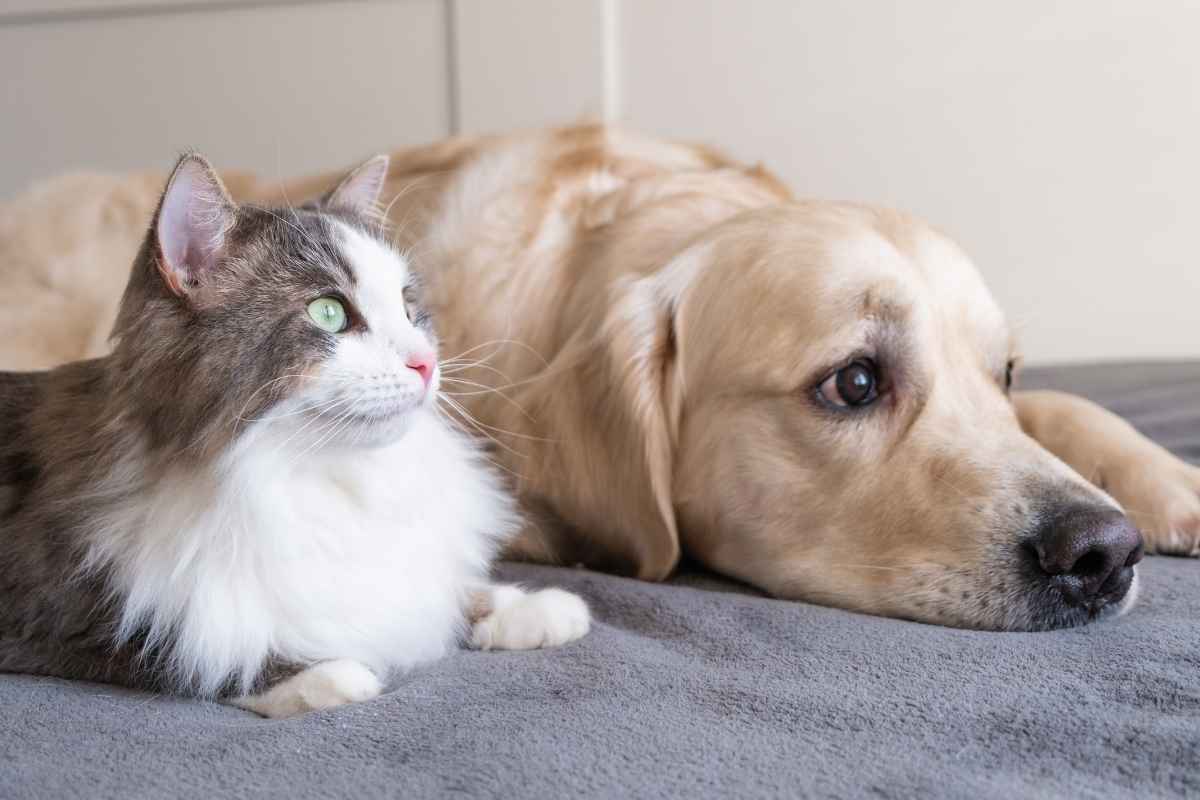
As pets grow older, their needs begin to change. Many senior dogs and cats experience gradual changes in movement, energy, and daily habits. These changes may seem small at first, but they can indicate underlying health concerns that need attention.
A pet that hesitates before climbing stairs, avoids jumping onto furniture, or takes longer to stand may be experiencing discomfort. Recognizing these signs early can help improve your pet’s comfort and overall wellness.
At Rice Creek Animal Hospital, our veterinary team in Lino Lakes focuses on compassionate care that supports pets throughout every stage of life. We provide wellness exams, diagnostics, pain management, and other services to help identify and manage age-related concerns.
Understanding mobility changes is an important part of senior pet care. It allows pet owners to take action before small issues become more difficult to manage.
Why Do Senior Pets Experience Mobility Changes?
Aging affects pets in many ways. Their muscles may become weaker, joints may lose flexibility, and recovery after activity may take longer.
Some common reasons for mobility changes include:
- Arthritis and joint inflammation
- Muscle loss due to aging
- Previous injuries
- Weight changes
- Joint or bone conditions
- Reduced flexibility
- Age-related health conditions
Dogs often show noticeable movement changes. Cats can be harder to read because they naturally hide discomfort.
A senior cat may not limp or cry when uncomfortable. Instead, they may simply stop jumping or become less active.
What Are the Early Signs of Mobility Problems in Senior Pets?
Mobility issues often develop slowly. Many pet owners notice changes only after they become more obvious.
Here are common signs to watch for:
Difficulty Standing Up
A senior pet may struggle when getting up after resting.
You may notice:
- Slow movements after sleeping
- Stiffness in the morning
- Needing extra time before walking normally
- Avoiding certain areas of the home
These changes may suggest joint discomfort or reduced muscle strength.
Reluctance to Use Stairs
Pets that once moved easily around the house may begin avoiding stairs. Your dog may hesitate before going outside. Your cat may stop climbing onto higher surfaces. This behavior is often mistaken for aging alone. However, it can indicate pain or reduced mobility.
Less Interest in Play or Walks
A senior pet may naturally slow down. However, a sudden decrease in activity should not be ignored.
Watch for:
- Shorter walks
- Less enthusiasm for toys
- More time spent sleeping
- Avoiding physical activity
Changes in activity levels can help veterinarians identify possible health concerns.
Changes in Posture or Walking Style
Pay attention to how your pet moves.
Signs may include:
- Limping
- A stiff walking pattern
- Difficulty turning
- Walking slower than usual
- Shifting weight between legs
Even minor changes can provide important information about your pet’s health.
How Can Pet Owners Monitor Mobility Changes at Home?
Regular observation helps identify problems early. Create a simple routine for checking your pet’s movement.
Observe Daily Activities
Notice how your pet:
- Gets up from the floor
- Walks across rooms
- Climbs stairs
- Enters vehicles
- Jumps onto furniture
- Uses their litter box
Small changes over time are easier to recognize when you know your pet’s normal behavior.
Record Changes
Keeping notes or videos can help your veterinarian understand your pet’s condition.
Record:
- When changes started
- Activities your pet avoids
- Changes in walking patterns
- Any signs of discomfort
Videos are especially useful because pets may move differently at home than during a veterinary visit.
When Should You Schedule a Veterinary Visit?
Mobility changes should not be considered a normal part of aging. Many conditions can be managed better when identified early.
Schedule an appointment if your pet shows:
- Sudden difficulty walking
- Trouble standing
- Signs of pain
- Reduced appetite
- Behavioral changes
- Loss of interest in favorite activities
Regular wellness visits are also important for senior pets. Veterinary exams can help detect concerns before they become advanced.
Rice Creek Animal Hospital offers comprehensive veterinary services, including diagnostics, imaging, pain management, and wellness care. These services help veterinarians evaluate your pet’s health and recommend appropriate support.
How Can Veterinary Care Support Aged Pets With Mobility Issues?
Senior pet care focuses on improving comfort and maintaining quality of life.
During an evaluation, your veterinarian may assess:
- Joint movement
- Muscle condition
- Weight and nutrition
- Pain levels
- Overall health changes
Depending on your pet’s needs, recommendations may include:
- Weight management
- Lifestyle adjustments
- Pain management options
- Activity modifications
- Additional diagnostic testing
Every pet ages differently. A personalized approach helps address your pet’s specific challenges.
Ways to Support Your Senior Pet’s Mobility at Home
Simple changes can make everyday activities easier.
Provide Comfortable Resting Areas
Older pets may benefit from supportive bedding. A comfortable sleeping area can reduce pressure on joints and help your pet rest better.
Maintain Healthy Weight
Extra weight places additional stress on joints. Your veterinarian can help create a nutrition plan that supports your pet’s health.
Encourage Safe Movement
Gentle activity helps maintain strength and flexibility. Avoid forcing activities that cause discomfort. Focus on movements your pet can enjoy safely.
Make Your Home Easier to Navigate
Consider:
- Adding rugs to slippery floors
- Keeping essentials within easy reach
- Using ramps when appropriate
- Providing easy access to resting areas
Small adjustments can improve your pet’s confidence and comfort.
Why Early Attention Matters for Aging Pets
Many pet owners wait until mobility problems become severe. However, early attention can make a significant difference.
Changes in movement may be the first visible sign of arthritis, injury, or another medical concern. Routine monitoring and veterinary support allow pets to receive care before discomfort affects their daily life.
At our animal hospital, our team understands the special bond between pets and their families. We work closely with pet owners to support healthy aging and provide compassionate senior pet care.
Support Your Senior Pet’s Comfort With Professional Veterinary Care
Your senior pet deserves a comfortable and active life during their golden years. Recognizing small mobility changes can help you provide support at the right time.
If you are in Lino Lakes and notice changes in your pet’s movement, reach out to Rice Creek Animal Hospital. Our team is here to help your pet maintain comfort, health, and quality of life. Book an appointment today!
Frequently Asked Questions
1. What are the first signs of mobility problems in senior dogs?
Early signs include stiffness, slower movement, difficulty standing, and reluctance to climb stairs. These changes may develop gradually.
2. How can I tell if my senior cat is having mobility issues?
Cats may hide discomfort. Look for reduced jumping, less grooming, avoiding stairs, or changes in litter box habits.
3. Are mobility changes normal as pets get older?
Some slowing is expected with age. However, sudden or noticeable changes should be evaluated by a veterinarian.
4. Can arthritis affect both dogs and cats?
Yes. Arthritis can affect senior dogs and cats. It may cause stiffness, pain, and reduced activity levels.
5. How often should senior pets visit the veterinarian?
Senior pets often benefit from regular wellness exams. Your veterinarian can recommend a schedule based on your pet’s health needs.
6. Can exercise help senior pets stay mobile?
Gentle exercise can support strength and flexibility. Activities should match your pet’s comfort level.
7. What treatments help senior pets with mobility concerns?
Treatment depends on the cause. Options may include pain management, lifestyle changes, nutrition support, and monitoring. Your veterinarian can recommend the right approach after an evaluation.