6505 Ware Road
Lino Lakes, MN 55014

How Nutrition Can Support Your Senior Pet’s Health

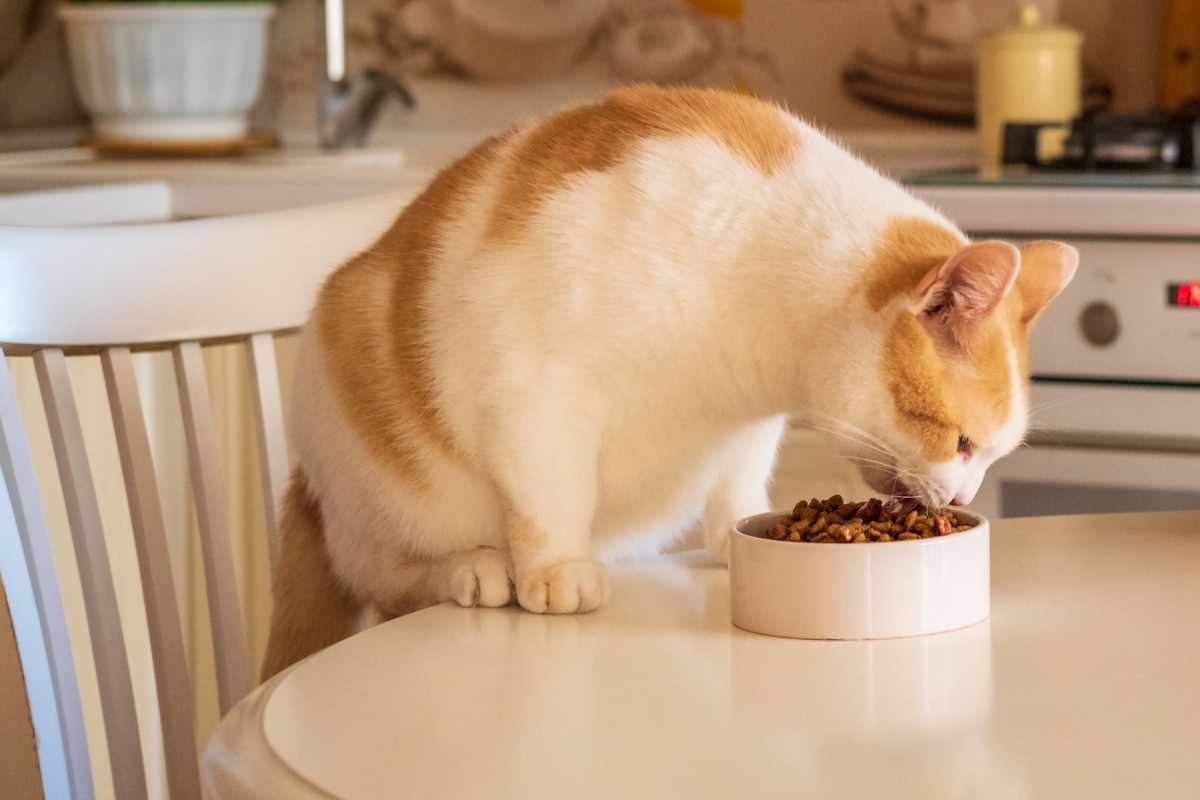
As pets grow older, their nutritional needs can change. A diet that worked well during adulthood may no longer provide the right balance of calories, nutrients, and support for a senior dog or cat. At the same time, aging can bring changes in activity levels, body composition, digestion, dental health, and overall metabolism. Therefore, adjusting nutrition as your pet ages can play an important role in maintaining comfort, energy, and quality of life.
Senior pet care involves more than managing health problems after they appear. It also includes supporting your aging companion through appropriate nutrition, regular wellness examinations, healthy activity, dental attention, and preventive strategies. A thoughtful nutritional plan can help maintain a healthy body condition while supporting the needs of an older pet.
For families caring for aging dogs and cats, nutrition should be considered as part of a broader wellness strategy. With individualized veterinary guidance, pet owners in Lino Lakes, MN can make informed dietary choices that support their senior companions throughout their later years.
Why Nutrition Matters as Pets Age
Aging affects the body in several ways. Many senior pets become less active, which can reduce the number of calories they need each day. However, they still require essential nutrients to support muscles, organs, immune function, and other body systems.
Furthermore, older pets may experience changes in their ability to maintain muscle mass. If a diet provides too many calories without appropriate nutrient balance, a pet may gain excess weight. Conversely, inadequate nutrition can contribute to weight loss and reduced muscle condition.
For this reason, senior nutrition should focus on more than simply reducing food portions. Your veterinarian can evaluate your pet’s body condition, activity level, health history, and dietary needs before recommending changes.
Understanding Your Senior Pet’s Changing Nutritional Needs
There is no single diet that works for every senior pet. Dogs and cats differ nutritionally, and individual health conditions can influence dietary requirements.
As pets age, your veterinarian may consider:
- Current body weight
- Body condition score
- Muscle condition
- Activity level
- Breed and size
- Existing health conditions
- Dental health
- Appetite and eating habits
- Digestive health
- Current medications
- Previous nutritional history
Consequently, choosing food based solely on an age label may not provide the best solution. A senior pet that remains highly active may have different nutritional needs from an older companion with limited mobility.
Maintaining a Healthy Body Weight
Weight management becomes increasingly important as pets age. Carrying excess weight can place additional stress on joints and may make movement more difficult.
Older pets often become less active, yet their appetite may remain unchanged. As a result, they may gradually gain weight without their owners noticing.
Regularly monitoring body condition can help identify changes early. Instead of focusing only on the number on the scale, your veterinarian can evaluate your pet’s muscle mass, fat distribution, and overall body condition.
If your pet needs to lose weight, your veterinary team can recommend an appropriate feeding strategy. Gradual changes are generally preferable to sudden, restrictive diets.
Supporting Muscle Health
Maintaining muscle mass is an important nutritional goal for many older pets. Age-related muscle loss can affect strength, mobility, and independence.
Adequate protein and overall nutrient intake can help support healthy muscles. However, protein requirements should be considered alongside your pet’s overall health.
For example, pets with certain medical conditions may require specific dietary adjustments. Therefore, do not make major changes to your senior pet’s protein intake without discussing the plan with your veterinarian.
Combining appropriate nutrition with safe physical activity can also support muscle condition. Your veterinarian can help determine which activities are suitable for your pet’s age and mobility.
Choosing Appropriate Protein
Protein provides amino acids that the body uses to maintain muscles and support many essential functions. Because older pets may experience changes in muscle mass, protein quality and overall dietary balance deserve attention.
However, more protein is not automatically better for every senior pet. Individual health conditions can influence dietary recommendations.
For this reason, discuss your pet’s nutritional needs with a veterinary professional before switching to a high-protein diet or adding protein supplements.
A veterinarian can help determine whether your pet’s current food provides appropriate nutrition and whether a different formula would better support their needs.
Supporting Joint Health Through Nutrition
Joint stiffness and reduced mobility can become more noticeable as pets age. While nutrition cannot reverse every age-related joint change, an appropriate diet may support a broader mobility plan.
Maintaining a healthy body weight is particularly important because excess weight increases the physical demands placed on joints.
Some veterinary diets also contain nutrients or ingredients designed to support joint health. Depending on your pet’s individual needs, your veterinarian may discuss dietary options or other strategies to promote mobility.
Nutrition works best as part of a comprehensive approach that may also include appropriate exercise, environmental adjustments, weight management, and veterinary evaluation.
Helping Senior Pets Maintain Healthy Digestion
Digestive habits can change as pets grow older. Some senior animals may become more sensitive to dietary changes, while others may experience changes in appetite or stool consistency.
A sudden food change can cause digestive upset. Therefore, when a diet change is appropriate, transition gradually unless your veterinarian recommends otherwise.
Monitor your pet for changes such as:
- Persistent diarrhea
- Repeated vomiting
- Constipation
- Reduced appetite
- Increased gas
- Changes in stool frequency
- Difficulty maintaining weight
Persistent digestive changes should not automatically be attributed to aging. They may indicate an underlying health issue that deserves veterinary attention.
Hydration Becomes Increasingly Important
Water is essential for every pet, regardless of age. However, maintaining good hydration can become particularly important when older pets experience changes in appetite, kidney function, or other health conditions.
Make sure fresh water is available throughout the day. Some pets may drink more readily from certain types of bowls or fountains, while others may benefit from moisture-rich foods when appropriate.
If you notice a significant increase or decrease in your pet’s water consumption, contact your veterinary team. Changes in thirst can sometimes provide important clues about an underlying health concern.
Wet Food, Dry Food, or a Combination?
Pet owners often wonder whether wet or dry food is better for senior animals. In reality, the best choice depends on the individual pet.
Dry food can be convenient and may work well for many animals. Wet food provides additional moisture and may be easier for some pets to eat, particularly when oral discomfort affects chewing.
Some senior pets do well with a combination of wet and dry foods. However, portions should be adjusted carefully to avoid providing excessive calories.
Your veterinarian can help you select a feeding approach based on your pet’s health, preferences, dental condition, and nutritional requirements.
Dental Health Can Affect Nutrition
Dental problems may make eating uncomfortable. A senior pet with painful teeth or inflamed gums may eat more slowly, avoid certain foods, or lose interest in meals.
Pay attention to changes such as:
- Dropping food while eating
- Chewing differently
- Avoiding hard food
- Excessive drooling
- Pawing at the mouth
- Bad breath
- Reluctance to eat
If these signs appear, schedule a veterinary examination. Addressing oral health problems can make eating more comfortable and may help your pet maintain appropriate nutrition.
Nutrition for Senior Pets With Health Conditions
Some older pets develop medical conditions that require specific nutritional strategies. For example, a veterinarian may recommend a therapeutic diet for a pet with certain kidney, urinary, gastrointestinal, liver, or metabolic concerns.
These diets are formulated to address particular nutritional goals. They should not be selected simply because they are marketed for older animals.
If your pet has a diagnosed health condition, follow your veterinarian’s dietary recommendations carefully. Avoid adding supplements or changing foods without discussing the potential effects first.
Supplements: Are They Necessary?
Pet supplements have become widely available, but not every senior pet needs one.
Some supplements may be appropriate for specific nutritional or health goals. However, unnecessary supplementation can create problems, especially when multiple products are combined.
Before giving your senior pet a supplement, discuss:
- The reason you want to use it
- The ingredients
- The recommended dose
- Possible interactions with medications
- Your pet’s existing health conditions
- Whether your pet’s current diet already provides the nutrient
A veterinarian can help determine whether supplementation makes sense for your companion.
How to Feed Your Senior Pet
Feeding routines can influence how well an older pet maintains a healthy weight and appetite.
Consider these practical strategies:
- Measure meals rather than estimating portions.
- Follow the feeding guidance provided by your veterinarian.
- Account for treats when calculating daily calories.
- Keep fresh water available.
- Avoid frequent table scraps.
- Monitor weight regularly.
- Make diet changes gradually.
- Observe eating and drinking habits.
Additionally, maintain a consistent feeding schedule. Predictable meal times can make it easier to monitor appetite and identify changes.
Treats Should Be Part of the Nutritional Plan
Treats can strengthen the bond between pets and their owners, but they also contribute calories.
Older pets with lower activity levels may gain weight if treats become too frequent. Therefore, choose treats thoughtfully and keep portions small.
You can also use small pieces of an appropriate food as rewards when your veterinarian approves. The goal is to make treats part of a balanced daily plan rather than an additional source of excessive calories.
Watch for Changes in Appetite
A change in appetite can be an important health signal. Some senior pets may eat less because of dental discomfort, digestive problems, medication effects, or other health issues.
On the other hand, increased appetite can also occur with certain medical conditions.
Do not assume that changes in eating habits are simply a normal part of aging. If your pet consistently eats more or less than usual, contact your veterinary team.
Keeping a simple record of meals can help you identify patterns and provide useful information during veterinary appointments.
Regular Veterinary Visits Support Nutritional Planning
Nutrition is most effective when it forms part of regular veterinary care. During wellness visits, your veterinarian can evaluate your pet’s weight, body condition, muscle mass, dental health, and overall health.
These assessments provide useful information for nutritional decisions. If your pet gains or loses weight, your veterinarian can adjust feeding recommendations accordingly.
Regular examinations can also help identify health conditions that may affect nutritional requirements. As a result, your pet’s diet can evolve as their needs change.
Creating a Personalized Nutrition Plan
A good senior diet should match the individual animal rather than simply follow a general rule.
When creating a nutritional plan, your veterinary team may consider your pet’s:
- Age
- Species
- Breed
- Weight
- Activity level
- Body condition
- Muscle condition
- Medical history
- Dental health
- Current diet
- Medication
- Lifestyle
This individualized approach can help ensure that nutrition supports your pet without providing unnecessary calories or nutrients.
Signs That Your Senior Pet May Need a Dietary Review
Sometimes, changes in your pet’s condition indicate that it is time to reassess their diet.
Contact your veterinary team if you notice:
- Unexplained weight loss
- Unexpected weight gain
- Reduced appetite
- Increased hunger
- Difficulty chewing
- Persistent vomiting
- Ongoing diarrhea
- Changes in thirst
- Reduced energy
- Loss of muscle
- Difficulty maintaining a healthy body condition
These signs do not automatically mean that your pet needs a new diet. Instead, they indicate that a veterinary evaluation may be appropriate.
Make Nutrition Part of a Complete Wellness Routine
Good nutrition works best when combined with other healthy habits. Senior pets can benefit from appropriate exercise, regular dental assessments, routine wellness examinations, parasite prevention, and monitoring at home.
Additionally, keep your veterinarian informed about changes in appetite, weight, mobility, and behavior. Your observations can help the veterinary team make more informed recommendations.
Remember that nutritional needs can change throughout a pet’s life. A diet that was appropriate several years ago may not remain ideal forever.
Senior pet care includes thoughtful nutrition that supports healthy weight, muscle condition, digestion, hydration, mobility, and overall wellness. However, there is no universal diet that meets the needs of every aging dog or cat. Your pet’s health history, lifestyle, body condition, and individual nutritional requirements should guide dietary decisions.
Most importantly, avoid making major nutritional changes without professional guidance, particularly if your pet has an existing health condition. Regular veterinary examinations provide an opportunity to monitor changes and adjust the nutritional plan as your companion ages.
If you want to review your senior pet’s diet or discuss changes in weight, appetite, mobility, or overall health, schedule an appointment with Rice Creek Animal Hospital. Our veterinary hospital can help you develop an individualized wellness and nutrition plan designed to support your pet through their senior years.
Frequently Asked Questions
- Does my senior pet need a special diet?
Not every senior pet requires a specific senior formula. Nutritional needs depend on age, body condition, activity level, medical history, and other individual factors. Your veterinarian can determine whether your pet would benefit from a dietary change.
- How can I tell if my senior pet is at a healthy weight?
Your veterinarian can assess your pet’s body condition and muscle mass during a wellness examination. At home, watch for gradual weight changes and monitor how easily you can feel the ribs without seeing excessive fat covering them.
- Should I give my older pet nutritional supplements?
Supplements are not necessary for every senior pet. Some may benefit from specific supplements, while others may not need them. Always discuss supplements with your veterinarian before adding them to your pet’s diet.
- Why is my senior pet losing weight even though they are eating?
Unexplained weight loss can have several causes, including dental problems, digestive issues, metabolic conditions, and other health concerns. If your senior pet loses weight unexpectedly, schedule a veterinary examination.
- How can Rice Creek Animal Hospital help with my senior pet’s nutrition?
Rice Creek Animal Hospital can evaluate your pet’s weight, body condition, lifestyle, and overall health before making nutritional recommendations. The veterinary team can help determine whether your pet’s current diet remains appropriate or whether adjustments may be beneficial.
- When should I schedule a wellness visit for my senior pet?
Regular wellness visits are important throughout your pet’s senior years. If you notice changes in appetite, weight, thirst, activity, digestion, or behavior, schedule an appointment sooner so your veterinary team can evaluate the change.