6505 Ware Road
Lino Lakes, MN 55014

Pet Diagnostic Care: Why Early Testing Can Save Your Pet’s Life

Your pet depends on you to recognize when something isn’t quite right. While obvious symptoms may signal illness, many health conditions begin silently and show few warning signs in their early stages. That is why diagnostic testing plays such a vital role in modern veterinary medicine. Early testing helps identify hidden problems before they become serious, allowing for timely treatment and improved outcomes.
At Rice Creek Animal Hospital, we believe preventive medicine begins with accurate diagnosis. From routine wellness screenings to advanced laboratory testing, early detection gives veterinarians valuable information that supports better treatment decisions. For families who want to protect their pets’ long-term health, understanding the value of diagnostics is an important first step, especially for pet owners in Lino Lakes, MN.
What Is Pet Diagnostic Care?
Diagnostic care refers to the medical tests veterinarians use to evaluate your pet’s overall health, identify illnesses, monitor ongoing conditions, and guide treatment plans. These tests provide important information that cannot always be discovered during a physical examination alone.
Veterinarians may recommend diagnostic testing for healthy pets during wellness visits or when pets show unusual symptoms. The results help create a clearer picture of your pet’s health and allow for more informed medical decisions.
Routine pet diagnostic care supports early disease detection and helps maintain your pet’s quality of life.
Why Early Testing Matters
Many diseases develop gradually. During the early stages, your pet may continue eating, playing, and behaving normally. However, internal changes may already be affecting important organs or body systems.
Early testing offers several advantages:
- Detects illness before symptoms become severe
- Allows treatment to begin sooner
- Improves recovery outcomes
- Helps prevent disease progression
- Supports longer, healthier lives
Instead of waiting until symptoms become noticeable, proactive testing provides valuable insight into your pet’s health status.
Common Diagnostic Tests for Pets
Veterinarians use several diagnostic tools depending on your pet’s age, symptoms, and medical history.
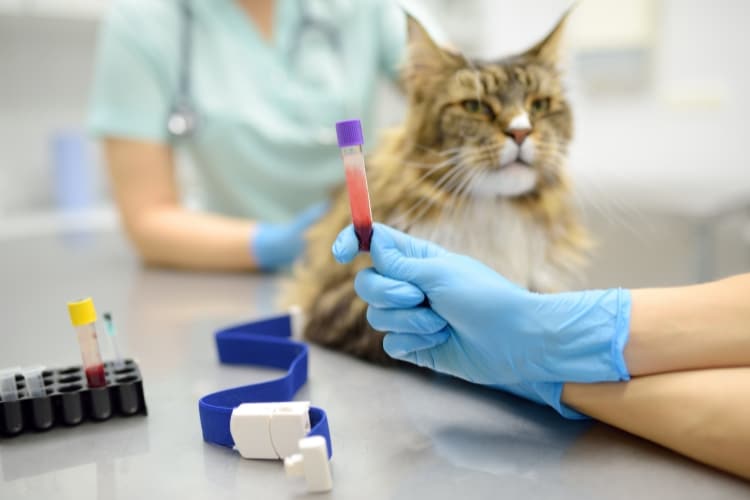
Blood Tests
Blood work evaluates organ function, hydration, blood cell counts, hormone levels, and signs of infection or inflammation.
Routine blood testing is often recommended before surgery, during wellness exams, or when pets appear ill.
Urinalysis
Urine testing helps identify:
- Urinary tract infections
- Kidney disease
- Diabetes
- Bladder abnormalities
- Hydration status
Because many urinary conditions develop gradually, routine screening is often beneficial.
Fecal Examination
A fecal test detects intestinal parasites that may affect your pet’s digestive health. Even indoor pets can be exposed to parasites, making regular screening an important part of preventive care.
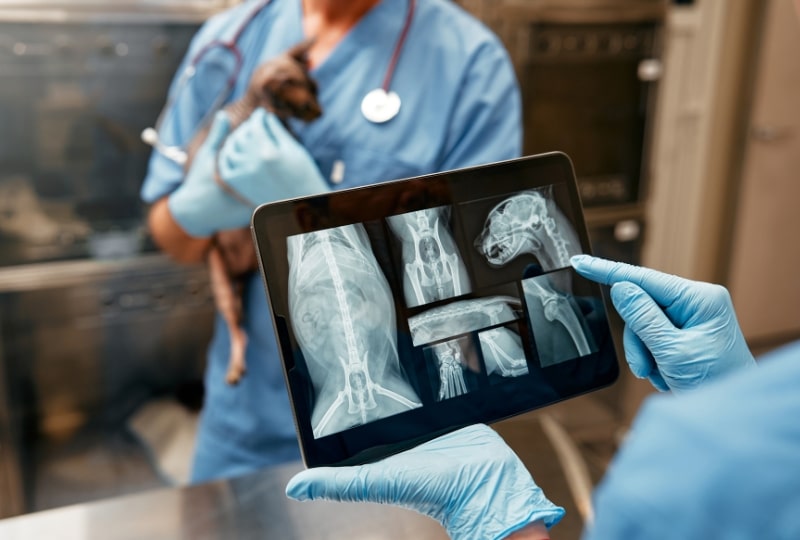
Digital X-Rays
Digital radiographs provide detailed images of bones, joints, lungs, abdomen, and other internal structures.
They help diagnose:
- Bone fractures
- Arthritis
- Foreign object ingestion
- Heart enlargement
- Lung disease
Ultrasound Imaging
Ultrasound allows veterinarians to examine soft tissues and internal organs in real time. It is commonly used to evaluate the liver, kidneys, bladder, spleen, and digestive tract.
Unlike X-rays, ultrasound provides additional detail about organ structure and function.
Conditions Early Testing Can Detect
Diagnostic testing helps identify numerous health conditions before they become advanced.
These include:
- Kidney disease
- Liver disorders
- Diabetes
- Heart disease
- Thyroid disorders
- Certain cancers
- Internal infections
- Bladder stones
- Gastrointestinal disease
- Blood disorders
Earlier diagnosis often means more treatment options and improved long-term outcomes.
Puppies and Kittens Benefit from Diagnostics Too
Young pets also benefit from diagnostic evaluations.
Testing helps veterinarians detect:
- Congenital abnormalities
- Intestinal parasites
- Nutritional deficiencies
- Developmental concerns
- Infectious diseases
Starting preventive healthcare early builds a strong foundation for lifelong wellness.
Senior Pets Need More Frequent Screening
As pets age, their risk for chronic illness increases. Unfortunately, many age-related diseases develop without obvious symptoms.
Senior wellness testing often includes:
- Complete blood panels
- Urinalysis
- Blood pressure measurement
- Thyroid screening
- Imaging studies when needed
These evaluations help identify health changes before they significantly affect your pet’s daily life.
Signs Your Pet May Need Diagnostic Testing
Although routine wellness testing is valuable, certain symptoms should never be ignored.
Contact your veterinarian if your pet experiences:
- Decreased appetite
- Weight loss
- Increased thirst
- Frequent urination
- Persistent vomiting
- Ongoing diarrhea
- Chronic coughing
- Difficulty breathing
- Limping
- Fatigue
- Behavior changes
Even subtle symptoms may indicate underlying disease.
How Diagnostics Guide Treatment
Accurate diagnosis allows veterinarians to create targeted treatment plans instead of relying on guesswork.
Testing helps determine:
- The exact cause of illness
- Disease severity
- Appropriate medications
- Treatment effectiveness
- Recovery progress
As a result, pets often receive more effective care with fewer unnecessary procedures.
Preventive Care and Diagnostics Work Together
Preventive healthcare is most effective when combined with regular diagnostic screening.
Annual or semiannual wellness visits allow veterinarians to compare test results over time, making it easier to detect small health changes before they become significant.
This proactive approach helps reduce unexpected illnesses and supports better long-term health.
Supporting Your Pet Before Diagnostic Testing
Preparing your pet for testing may improve accuracy and reduce stress.
Your veterinarian may recommend:
- Fasting before certain blood tests
- Bringing a fresh urine sample when requested
- Keeping your pet calm before the visit
- Providing a complete medical history
- Listing any medications or supplements
Following these recommendations helps ensure reliable results.
Why Local Veterinary Care Makes a Difference
Having access to experienced veterinary professionals allows pets to receive timely evaluations when concerns arise.
At Rice Creek Animal Hospital, our diagnostic services help identify health issues efficiently so treatment can begin as early as possible. We are committed to providing compassionate, individualized care that supports every stage of your pet’s life in Lino Lakes, MN.
Early diagnosis is one of the most effective ways to protect your pet’s health. Routine screenings and advanced testing can uncover hidden illnesses before they become more serious, giving your veterinarian valuable information to recommend the best treatment options.
Whether your pet is young, adult, or senior, regular diagnostic evaluations play an important role in lifelong wellness. Schedule an appointment with Rice Creek Animal Hospital to ensure your pet receives the thorough diagnostic care needed to stay healthy for years to come.
Frequently Asked Questions
1. Why is early diagnostic testing important for pets?
Early testing helps identify diseases before symptoms become severe, allowing treatment to begin sooner and improving recovery outcomes.
2. How often should my pet receive diagnostic testing?
Most healthy pets benefit from annual wellness testing, while senior pets or those with medical conditions may need more frequent evaluations.
3. Are blood tests safe for pets?
Yes. Blood tests are safe, minimally invasive, and provide valuable information about your pet’s overall health.
4. What conditions can diagnostic testing detect?
Diagnostic testing can detect kidney disease, diabetes, infections, liver disorders, thyroid disease, certain cancers, and many other medical conditions.
5. Why should I choose Rice Creek Animal Hospital for diagnostic services?
Rice Creek Animal Hospital offers comprehensive diagnostic testing using modern technology to detect health concerns early and develop personalized treatment plans.
6. When should I schedule a diagnostic evaluation at Rice Creek Animal Hospital?
Schedule an appointment if your pet is due for a wellness exam, is entering their senior years, or shows changes in appetite, behavior, energy level, or overall health.