6505 Ware Road
Lino Lakes, MN 55014

How Diagnostic Testing Helps Identify Hidden Pet Illnesses

Pets are experts at hiding discomfort. A dog may continue wagging its tail despite feeling unwell, while a cat may become quieter instead of showing obvious signs of pain. Because many health problems develop gradually, routine veterinary examinations alone may not always reveal what is happening inside your companion’s body. Diagnostic testing gives veterinarians valuable information that can help uncover health concerns before they become more serious.
What Is Diagnostic Testing for Pets?
Pet diagnostic care helps veterinarians investigate changes that cannot always be identified through a physical examination alone. Depending on your pet’s symptoms, age, medical history, and overall condition, testing may include blood work, urine testing, fecal analysis, digital X-rays, ultrasound, allergy testing, or other specialized evaluations.
These tests do more than confirm that something is wrong. They can help identify possible causes, determine how a condition is progressing, and guide the veterinarian toward an appropriate treatment plan. As a result, diagnostic testing can make veterinary care more precise and proactive.
Why Do Pets Need Diagnostic Testing?
Many illnesses begin without noticeable symptoms. Your pet may eat normally, play occasionally, and maintain their usual routine while an underlying condition develops. By the time visible symptoms appear, the problem may already have progressed.
For example, changes involving the kidneys, liver, blood, thyroid, digestive system, or other organs may initially be difficult to recognize at home. Therefore, diagnostic testing can provide an earlier look at your pet’s internal health.
Testing may be especially helpful when a pet experiences:
- Unexplained weight loss or weight gain
- Changes in appetite or thirst
- Vomiting or diarrhea
- Increased urination
- Low energy or unusual behavior
- Persistent itching or skin irritation
- Breathing changes
- Mobility problems
- Recurring infections
- Changes associated with aging
Even subtle changes deserve attention when they persist or occur alongside other symptoms.
How Blood and Laboratory Tests Reveal Hidden Problems
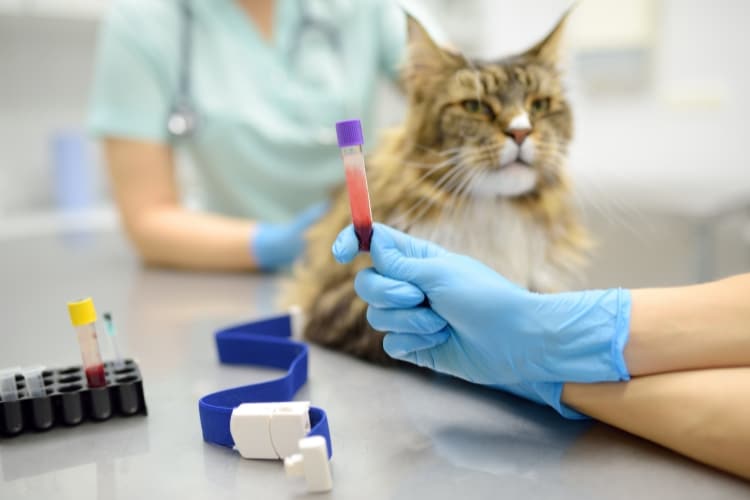
Blood work can provide important information about how different parts of your pet’s body are functioning. A complete blood count, for instance, can help evaluate red and white blood cells and platelets. Other blood tests can provide information about organ function, blood sugar, electrolytes, and other health markers.
Urine and fecal testing can also reveal problems that may not be obvious from outward symptoms. These tests can help veterinarians investigate urinary concerns, digestive issues, parasites, and other conditions.
Importantly, laboratory testing is not limited to sick pets. Routine screening can establish baseline information and sometimes identify changes before a pet develops noticeable signs of disease. This can be particularly valuable for older animals.
The Role of Digital X-Rays
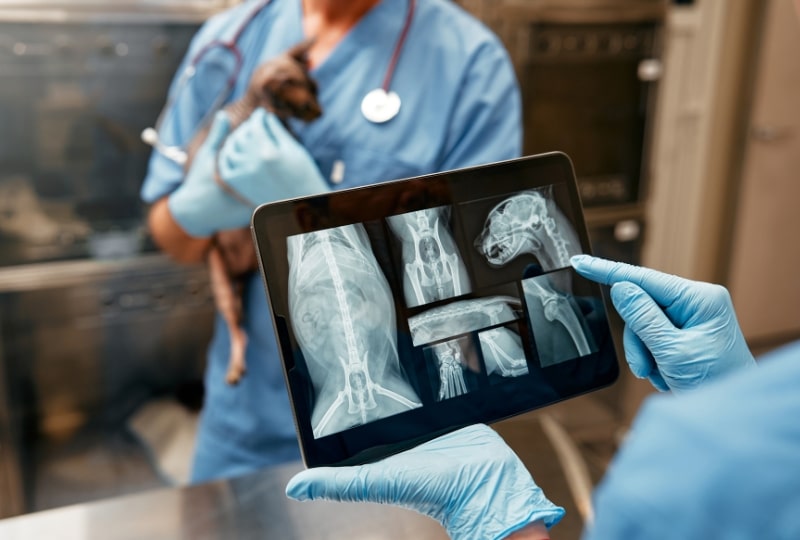
Digital radiography allows veterinarians to examine structures inside the body without surgery. X-rays can provide useful information about bones, joints, the chest, and certain abdominal structures.
For example, a veterinarian may recommend an X-ray when a pet has difficulty walking, experiences an injury, develops persistent coughing, or shows other concerning symptoms. Digital imaging can produce detailed images efficiently, helping the veterinary team evaluate potential problems and determine whether additional testing is appropriate.
What Can Ultrasound Detect?
Ultrasound provides another way to examine internal structures. Unlike X-rays, which primarily show differences in tissue density and are particularly useful for bones and the chest, ultrasound uses sound waves to create images of soft tissues and organs.
Veterinarians may use ultrasound when investigating concerns involving the abdomen, heart, inflammation, masses, or other internal changes. It can also help monitor an existing condition over time.
Consequently, combining different diagnostic methods can give the veterinary team a more complete picture of your pet’s health.
Diagnostic Testing and Senior Pets
As pets age, their risk of developing certain chronic health conditions increases. However, early changes can be easy to overlook because owners may mistake them for normal signs of aging.
Regular screening can help veterinarians monitor important health markers and identify changes that deserve further investigation. For senior dogs and cats, blood tests, urine testing, fecal testing, imaging, and other evaluations may become an important part of their ongoing wellness plan.
Early detection does not guarantee that every illness can be prevented. Nevertheless, finding a problem sooner may allow treatment or management to begin earlier, which can support a better quality of life.
What Happens After a Diagnostic Test?
Testing is only one part of the diagnostic process. First, the veterinarian reviews your pet’s history and performs a physical examination. Next, they determine which tests could provide useful information based on the findings.
After results become available, the veterinary team evaluates them alongside your pet’s symptoms and examination findings. Sometimes one test provides enough information to move forward. In other cases, additional testing may be recommended to clarify an abnormal result.
This step-by-step approach helps avoid relying on a single piece of information when making important healthcare decisions.
When Should You Ask About Testing?
You should contact your veterinarian if you notice a persistent or unexplained change in your pet’s normal behavior, appetite, weight, bathroom habits, energy, skin, breathing, or mobility. Additionally, routine wellness visits provide an opportunity to discuss age-appropriate screening even when your pet appears healthy.
At Rice Creek Animal Hospital, the veterinary team provides laboratory services, digital radiography, ultrasound, and allergy and dermatology testing as part of its comprehensive approach to veterinary medicine.
For pet families in Lino Lakes, MN, accessible diagnostic services can make it easier to investigate concerning changes and stay proactive about a companion’s long-term health.
Protect Your Pet With Early Detection
Pet diagnostic care can help turn subtle clues into useful medical information. Blood work, urine testing, imaging, and other evaluations allow veterinarians to look beyond what can be seen during a routine physical examination. When combined with regular wellness visits, these tools can support earlier identification and better management of many health concerns.
If your pet has developed an unusual symptom or simply needs a comprehensive health evaluation, schedule an appointment with Rice Creek Animal Hospital to discuss the appropriate diagnostic options for your companion.
Frequently Asked Questions
1. Why is diagnostic testing important for pets?
Diagnostic testing can help veterinarians identify health problems that may not be visible during a physical examination. Blood work, urine tests, X-rays, ultrasound, and other evaluations can provide valuable information about your pet’s internal health.
2. When should my pet have diagnostic testing?
A veterinarian may recommend testing when your pet has unexplained symptoms, changes in appetite or weight, digestive problems, unusual tiredness, skin issues, or changes in urination. Routine screening can also help monitor pets as they age.
3. Can diagnostic tests detect illnesses before symptoms appear?
Yes. Some diagnostic tests can identify abnormal changes before noticeable symptoms develop. Regular screening may help veterinarians recognize potential health concerns earlier and determine whether additional evaluation is needed.
4. What diagnostic services does Rice Creek Animal Hospital offer?
Rice Creek Animal Hospital provides several diagnostic options, including laboratory testing, digital radiography, ultrasound, and allergy and dermatology testing. These services help the veterinary team investigate a wide range of health concerns.
5. How can Rice Creek Animal Hospital help with my pet’s diagnostic needs?
Rice Creek Animal Hospital combines diagnostic testing with physical examinations and veterinary expertise to develop a clearer understanding of each pet’s health. The team can recommend appropriate testing based on your pet’s symptoms, medical history, age, and overall condition.
6. What happens after my pet receives diagnostic testing?
After testing, the veterinarian reviews the results along with your pet’s symptoms and examination findings. Depending on the results, they may recommend treatment, monitoring, lifestyle changes, or additional diagnostic tests.