6505 Ware Road
Lino Lakes, MN 55014

Puppy Care Guide: Keeping Your Puppy Healthy

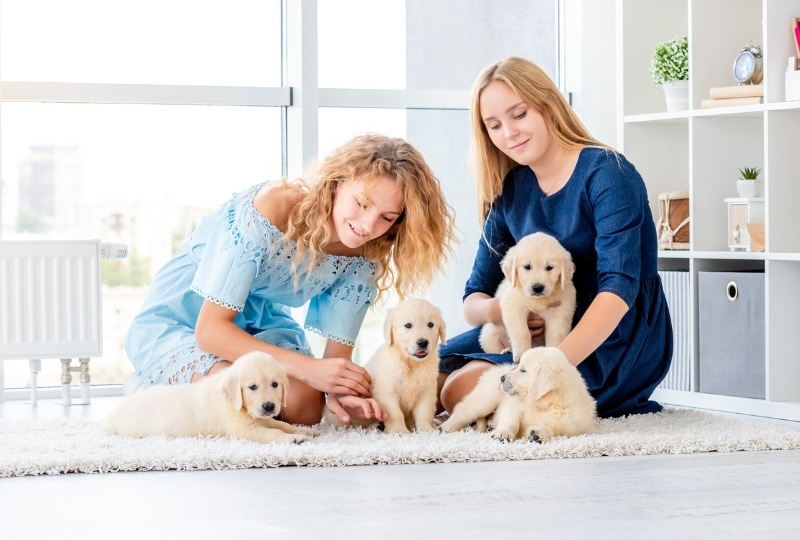
Bringing home a new puppy is one of the most exciting experiences for any pet owner. Puppies bring endless energy, unconditional love, and unforgettable moments into your family. However, raising a healthy dog also comes with important responsibilities. From proper nutrition and vaccinations to socialization and regular veterinary visits, every decision you make during the first year has a lasting impact on your puppy’s future health.
Developing healthy habits early helps prevent many common illnesses while encouraging positive behavior and emotional well-being. As your puppy grows, providing consistent guidance, proper healthcare, and plenty of affection creates the foundation for a long, happy life together. Families in Lino Lakes, MN can benefit from establishing a relationship with a trusted veterinary team that understands every stage of a young dog’s development.
This comprehensive guide covers everything you need to know about puppy care so your newest family member can enjoy the healthiest possible start.
Start with Proper Nutrition
Nutrition plays one of the biggest roles in your puppy’s growth. Young dogs require balanced diets formulated specifically for their age, breed size, and activity level.
High-quality puppy food provides essential nutrients such as:
- Protein for muscle development
- Healthy fats for brain growth
- Calcium and phosphorus for strong bones
- Vitamins and minerals for immune support
Choose food approved for puppy growth and follow feeding recommendations based on your veterinarian’s advice. While treats can be helpful during training, they should only make up a small percentage of your puppy’s daily calories.
Fresh water should always be available throughout the day.
Follow a Vaccination Schedule
Puppies are born with temporary immunity from their mother, but that protection gradually fades. Vaccinations become essential to defend against dangerous infectious diseases.
A typical vaccination schedule may include protection against:
- Distemper
- Parvovirus
- Adenovirus
- Rabies
- Leptospirosis
- Bordetella when appropriate
Keeping vaccination appointments on schedule helps ensure your puppy develops strong immunity during the most vulnerable months.
Schedule Regular Wellness Exams
Routine veterinary visits do much more than provide vaccinations. Wellness examinations allow veterinarians to monitor your puppy’s development and detect potential health concerns before they become serious.
During these visits, your veterinarian may evaluate:
- Weight gain
- Growth rate
- Heart and lung health
- Joint development
- Teeth and gums
- Skin and coat
- Eyes and ears
These appointments also give pet owners an opportunity to ask questions about feeding, behavior, grooming, and training.
Focus on Socialization
Early socialization helps puppies grow into confident, friendly adult dogs.
Introduce your puppy gradually to:
- New people
- Friendly vaccinated dogs
- Different sounds
- Various environments
- Car rides
- Grooming routines
Positive experiences during the first several months help reduce anxiety and fear later in life.
Always make introductions safe, controlled, and rewarding.
Begin Basic Training Early
Training starts the day your puppy comes home.
Teaching simple commands helps establish communication while preventing unwanted behaviors.
Start with:
- Sit
- Stay
- Come
- Leave it
- Down
Use positive reinforcement techniques by rewarding good behavior with treats, praise, or toys.
Keep training sessions short since puppies have limited attention spans.
Consistency among all family members helps reinforce expectations.
House Training Tips
House training requires patience and consistency.
Successful strategies include:
- Taking your puppy outside after meals
- Going outdoors after naps
- Offering bathroom breaks after playtime
- Rewarding successful potty trips immediately
- Maintaining a predictable schedule
Accidents will happen. Instead of punishment, calmly clean the area and continue reinforcing desired behavior.
Keep Exercise Age Appropriate
Exercise supports healthy growth while preventing boredom.
Safe activities include:
- Short walks
- Gentle games
- Puzzle toys
- Supervised outdoor play
- Basic fetch
Avoid excessive jumping or long-distance running since developing joints remain vulnerable.
As your puppy grows, activity levels can gradually increase.
Protect Dental Health
Dental care should begin early.
Introduce your puppy to:
- Tooth brushing
- Dental chews approved by your veterinarian
- Oral examinations
Healthy teeth contribute to better overall health by reducing bacteria that may affect other organs.
Creating positive experiences with dental routines makes lifelong oral care much easier.
Prevent Parasites
Parasites affect many puppies even when they appear healthy.
Common parasites include:
- Fleas
- Ticks
- Heartworms
- Roundworms
- Hookworms
Preventive medications protect against these common threats throughout the year.
Your veterinarian will recommend products based on your puppy’s age, lifestyle, and local parasite risks.
Grooming Supports Overall Health
Regular grooming does much more than improve appearance.
Routine grooming helps:
- Remove loose hair
- Reduce matting
- Detect skin problems
- Monitor lumps or bumps
- Keep nails trimmed
- Clean ears
The frequency depends on your puppy’s breed and coat type.
Introducing grooming gradually helps puppies remain calm during future appointments.
Watch for Signs of Illness
Young puppies can become sick quickly.
Contact your veterinarian if you notice:
- Vomiting
- Diarrhea
- Refusing food
- Extreme tiredness
- Persistent coughing
- Difficulty breathing
- Limping
- Swollen abdomen
Prompt medical attention often leads to better outcomes.
Never wait several days if symptoms seem severe or continue worsening.
Create a Safe Home Environment
Puppies naturally explore everything with their mouths.
Reduce risks by:
- Storing medications securely
- Removing toxic plants
- Keeping electrical cords covered
- Securing trash cans
- Locking away household cleaners
- Picking up small objects that may be swallowed
Providing safe chew toys helps redirect natural chewing behavior.
Build Healthy Daily Routines
Dogs thrive on consistency.
Establish routines for:
- Feeding
- Exercise
- Bathroom breaks
- Playtime
- Training
- Sleep
Predictable schedules reduce anxiety while encouraging positive behaviors.
Over time, routines help puppies understand expectations and adjust comfortably to family life.
Give Plenty of Mental Stimulation
Mental exercise is equally important as physical activity.
Challenge your puppy with:
- Food puzzles
- Interactive toys
- Hide-and-seek games
- Training exercises
- Nose work activities
Keeping your puppy mentally engaged reduces destructive behaviors caused by boredom.
Build a Lifelong Partnership with Your Veterinarian
Preventive healthcare creates the best opportunity for lifelong wellness.
Regular veterinary visits allow your healthcare team to monitor development, answer questions, recommend preventive care, and guide you through every stage of growth.
As your puppy matures, your veterinarian becomes an important partner in maintaining excellent health throughout adulthood.
Families throughout Lino Lakes, MN benefit from personalized guidance that supports every milestone from puppyhood to senior years.
Giving your puppy a healthy start requires commitment, patience, and informed decisions every day. Proper nutrition, preventive healthcare, vaccinations, training, exercise, socialization, and regular wellness exams all work together to support lifelong health and happiness. By investing in these early habits, you can help your puppy grow into a confident, healthy companion who brings joy to your family for years to come.
If you’re ready to give your puppy the best possible care, schedule an appointment with Rice Creek Animal Hospital. Their compassionate veterinary team is dedicated to helping your newest family member enjoy a healthy beginning and a bright future.
Frequently Asked Questions
1. How often should my puppy visit the veterinarian?
Puppies usually need several wellness visits during their first few months for vaccinations, growth monitoring, parasite prevention, and overall health evaluations.
2. What is the best food for a growing puppy?
Choose a complete and balanced puppy diet formulated for your dog’s size and age. Your veterinarian can recommend the most appropriate nutrition plan.
3. When should I begin puppy care routines?
Healthy routines should begin as soon as your puppy comes home. Early training, nutrition, socialization, grooming, and preventive healthcare establish lifelong habits.
4. How much exercise does a puppy need?
Exercise depends on your puppy’s age, breed, and health. Short play sessions, walks, and supervised activities are generally ideal for growing dogs.
5. Why should I choose Rice Creek Animal Hospital for my puppy?
Rice Creek Animal Hospital offers comprehensive wellness exams, vaccinations, preventive care, nutritional guidance, and personalized support to help your puppy stay healthy from the very beginning.
6. When should I schedule my puppy’s first appointment at Rice Creek Animal Hospital?
It’s best to schedule your puppy’s first veterinary visit shortly after bringing them home so the veterinary team can establish a healthcare plan tailored to your puppy’s needs.

