6505 Ware Road
Lino Lakes, MN 55014

Pet Surgery Checklist: Questions Every Pet Owner Should Ask

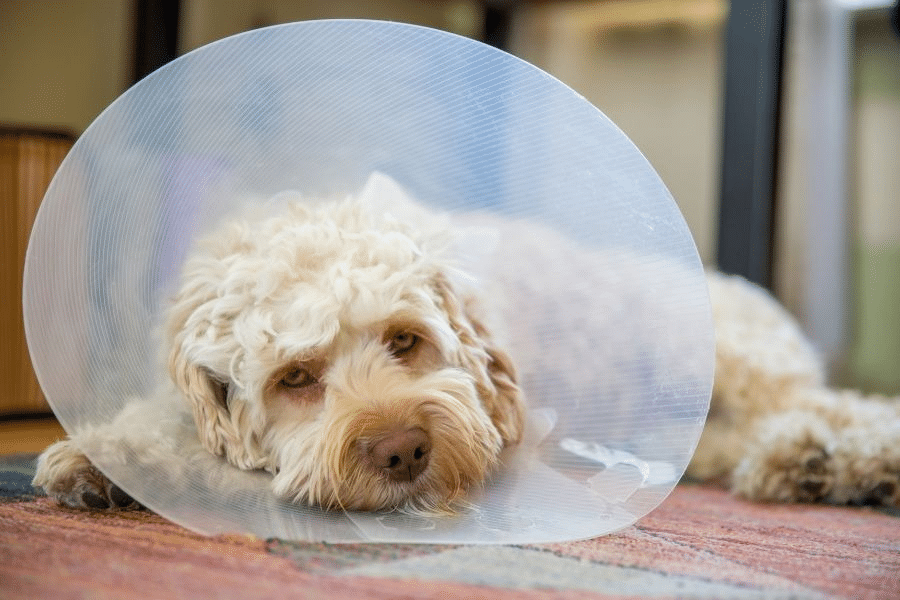
Hearing that your dog or cat needs surgery can raise several concerns. Will anesthesia be safe? How should you prepare your pet? What happens during recovery? For pet owners in Lino Lakes, MN, understanding these details before a procedure can make the process less stressful.
At Rice Creek Animal Hospital, we understand the importance of helping pet owners make informed decisions about their animals’ health. Whether your companion needs a routine procedure or treatment for a medical condition, asking the right questions is an important part of preparing for pet surgery.
Why Should You Ask Questions Before Your Pet’s Surgery?
Every surgical procedure involves decisions about anesthesia, pain management, and recovery. Your veterinarian considers your pet’s age, medical history, physical condition, and the procedure.
Discussing these factors beforehand helps you understand potential risks, prepare your home, and recognize problems during recovery.
The following eight questions can guide your conversation with your veterinarian.
8 Important Questions to Ask Your Veterinarian Before Surgery
1. Why Does My Pet Need This Surgery?
Start by understanding the medical reason behind the recommendation.
Ask your veterinarian what condition requires treatment, what the procedure involves, and whether nonsurgical options are appropriate.
For example, removing a suspicious lump may help diagnose or treat a condition. However, the recommended approach depends on its location, appearance, and diagnostic findings.
Understanding the purpose of surgery helps you evaluate the available options.
2. What Tests Does My Pet Need Before Surgery?
A preoperative examination helps veterinarians assess whether your dog or cat is ready for anesthesia.
Depending on your pet’s condition, recommended testing may include:
- Bloodwork to evaluate organ function and blood cell counts.
- Urine testing to investigate certain health concerns.
- X-rays or ultrasound when additional information is necessary.
Older pets and animals with existing medical conditions may require further evaluation.
3. How Will Anesthesia Be Managed and Monitored?
Anesthesia allows veterinarians to perform procedures while managing pain and movement. However, risks vary between patients.
Ask who will monitor your pet and which vital signs will be assessed.
Monitoring may include heart rate, breathing, oxygen levels, blood pressure, and body temperature.
Dr. Phillips can discuss your pet’s medical history and explain how the anesthesia plan addresses individual health considerations.
4. How Should I Prepare My Dog or Cat Before Surgery?
Preparation instructions depend on your pet’s age, health, and planned procedure.
Ask specifically about:
- When to stop feeding your pet.
- Whether drinking water is permitted.
- Which medications should be continued.
- What time to arrive at the hospital.
Never change medication doses without veterinary instructions.
If your pet eats unexpectedly or develops vomiting, coughing, or diarrhea before the appointment, inform the veterinary team promptly.
5. What Are the Possible Surgical Risks and Complications?
Even commonly performed procedures carry some risk.
Ask about potential bleeding, infection, anesthesia complications, and concerns related to your pet’s existing conditions.
Your veterinarian can explain which complications are more relevant to your animal and what precautions may reduce certain risks.
6. How Will My Pet’s Pain Be Managed?
Pain control is an important part of surgical care.
Ask whether your pet will receive pain medication before, during, and after the procedure.
Also discuss how to recognize discomfort at home. Restlessness, persistent vocalization, reduced appetite, or reluctance to move may indicate pain.
Call our animal hospital now if your pet appears severely uncomfortable after a procedure or develops concerning symptoms.
7. What Should I Expect During Recovery at Home?
Recovery varies according to the procedure and your pet’s overall health.
Ask how long activity restrictions will last and whether your pet needs an Elizabethan collar to prevent licking.
Prepare a quiet resting area and follow instructions for feeding, medications, and incision care.
Mild sleepiness may occur after anesthesia. However, difficulty breathing, collapse, uncontrolled bleeding, or an incision that opens requires urgent veterinary attention.
8. What Will the Procedure Cost, and When Is Follow-Up Needed?
Request an estimate explaining the anticipated charges, including diagnostics, anesthesia, medications, and postoperative visits.
Ask whether additional treatment could change the estimate.
Confirm when your pet should return for an examination or suture removal, if necessary.
Understanding these details helps you plan for the complete treatment process.
Prepare Your Pet for Surgery With Confidence
Preparing for pet surgery begins with understanding your animal’s medical needs and following clear veterinary instructions.
Rice Creek Animal Hospital provides surgical services, including spay and neuter procedures and mass removal, for dogs and cats in Lino Lakes, MN, and surrounding communities.
If your pet may need surgical treatment, call our hospital at 651-483-6128 to schedule a veterinary consultation and discuss the next steps.
Frequently Asked Questions
1. Is Surgery Safe for Older Dogs and Cats?
Age alone does not determine whether an animal can undergo surgery. Veterinarians assess overall health, existing diseases, and anesthesia risks before recommending a procedure. Additional testing may be appropriate for senior pets.
2. How Long Should Pets Fast Before Surgery?
Fasting instructions vary depending on age, medical conditions, and anesthesia plans. Puppies, kittens, and diabetic animals may require different feeding schedules. Always follow your veterinarian’s instructions rather than withholding food for an assumed period.
3. Can My Pet Have Surgery While Taking Medication?
Some medications can continue before surgery, while others may require adjustments. Tell your veterinarian about prescriptions, supplements, and recent treatments. Never stop medication without professional guidance.
4. How Do I Know Whether My Pet’s Incision Is Healing Properly?
A healing incision generally remains closed, with swelling and redness gradually decreasing. Increasing discharge, an unpleasant odor, spreading redness, or wound separation requires veterinary evaluation.
5. When Can My Dog Return to Normal Activities After Surgery?
Activity restrictions depend on the procedure and healing progress. Running, jumping, and rough play may need to be limited. Your veterinarian will explain when you can safely resume normal activities.
6. When Should I Contact a Veterinarian After Surgery?
Contact your veterinarian for persistent vomiting, worsening pain, increasing swelling, or refusal to eat beyond the expected recovery period. Difficulty breathing, collapse, or significant bleeding requires emergency care.

