6505 Ware Road
Lino Lakes, MN 55014

What to Expect During Your Pet’s First Veterinary Visit

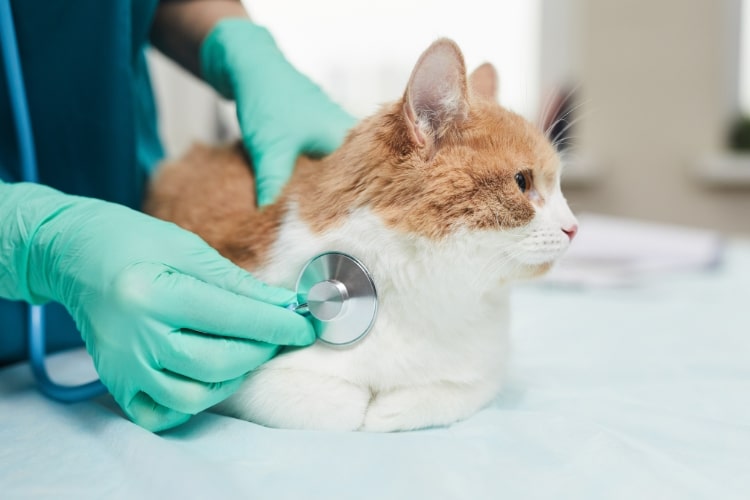
Your pet’s first veterinary visit is an important step toward keeping them healthy throughout their life. Whether you recently adopted a puppy, welcomed a kitten, or moved with your adult pet, the first appointment helps establish a clear picture of their health.
Many pet owners wonder what happens during this initial visit. Will their pet need vaccinations? What questions should they ask? How can they help their dog or cat feel comfortable?
At our veterinary hospital in Lino Lakes, we understand that every pet has different needs. Our vets take time to learn about your pet’s medical history, daily habits, and health concerns. Knowing what to expect can help you prepare for the appointment and feel more confident about your pet’s care.
Why Is Your Pet’s First Veterinary Visit Important?
A first veterinary appointment involves more than checking your pet’s weight or administering vaccinations. It allows our vets to assess their overall health and identify concerns that might not be obvious at home.
Even healthy-looking pets can have underlying problems. Dental disease, parasites, skin conditions, and weight changes may develop before noticeable symptoms appear.
During the appointment, our veterinary team can:
- Evaluate your pet’s physical health.
- Review medical records and vaccination history.
- Check for parasites and signs of illness.
- Discuss nutrition, exercise, and behavior.
- Recommend appropriate preventive care.
- Establish a health record for future visits.
This appointment also allows you to discuss any changes you have noticed in your pet’s behavior or daily routine.
How Should You Prepare for Your Pet’s First Vet Appointment?
A little preparation can make the visit easier for you and your pet.
Bring Your Pet’s Medical Records
Bring available vaccination records, previous test results, medication information, and treatment history. If you recently adopted your pet, adoption paperwork may contain useful health details.
Prepare a List of Questions
Writing down your concerns beforehand helps you remember important questions.
Consider asking about:
- Feeding schedules and nutritional needs.
- Recommended vaccinations.
- Flea, tick, and heartworm prevention.
- Dental hygiene and home care.
- Spaying or neutering.
- Changes in behavior or activity.
Use a Secure Carrier or Leash
Cats should travel in secure carriers, while dogs should wear properly fitted collars or harnesses with leashes. A familiar blanket or toy may help your pet feel more comfortable.
Observe Your Pet’s Daily Habits
Pay attention to your pet’s appetite, water intake, bathroom habits, and energy levels before the appointment.
These observations can help our vets identify potential health concerns.
What Happens During Your Pet’s First Veterinary Visit?
Although the exact process depends on your pet’s age and medical needs, most initial appointments include several important steps.
Step 1: Reviewing Your Pet’s Health History
Our veterinary team begins by gathering information about your pet’s background and current health. We may ask about their diet, previous illnesses, medications, activity level, and behavior. For puppies and kittens, we may also discuss early development and vaccination history.
Step 2: Performing a Physical Examination
A physical examination allows the veterinarian to evaluate your pet’s overall condition and identify possible health problems.
The examination may include:
- Eyes and ears: Checking for irritation, discharge, or infection.
- Mouth and teeth: Looking for dental disease or gum inflammation.
- Heart and lungs: Listening for unusual sounds.
- Skin and coat: Checking for parasites, lumps, or irritation.
- Abdomen: Feeling for discomfort or unusual findings.
- Joints and muscles: Assessing movement and mobility.
- Weight: Evaluating body condition and healthy growth.
These findings establish a baseline for monitoring your pet’s health during future appointments.
Step 3: Reviewing Vaccinations and Parasite Prevention
Vaccinations protect pets against several infectious diseases. Our vets review your pet’s age, lifestyle, and vaccination records before recommending appropriate vaccines.
We may also discuss flea and tick prevention, heartworm protection, intestinal parasite screening, and deworming. Recommendations depend on your pet’s individual health risks.
Step 4: Discussing Diagnostic Tests
Some pets may need diagnostic testing during their first appointment. Depending on their symptoms, age, and medical history, our vets may recommend bloodwork, fecal testing, or urinalysis.
These tests can help detect parasites, evaluate organ function, or investigate possible health concerns. Our team will explain why testing may be necessary before proceeding.
Step 5: Planning Future Veterinary Care
Before the appointment ends, our vets review the examination findings and discuss appropriate next steps. These may include future wellness examinations, vaccinations, nutritional recommendations, or additional testing. The goal is to establish a practical plan that supports your pet’s ongoing health.
How Long Does a First Veterinary Appointment Take?
A routine initial appointment may take approximately 30 to 60 minutes, although the actual duration varies. Pets requiring additional examinations, diagnostic tests, or treatment may need more time. When scheduling, mention any specific health concerns so our team can help plan the appointment.
What If Your Pet Is Nervous During the Visit?
Some pets become anxious around unfamiliar people, sounds, and environments.
You can help your pet feel more comfortable by:
- Staying calm and speaking reassuringly.
- Familiarizing them with their carrier before traveling.
- Bringing a favorite blanket or toy.
- Asking whether treats are appropriate.
- Avoiding forced interactions.
- Informing our team about previous fearful behavior.
If your pet becomes extremely anxious during veterinary visits, discuss this with our team before the appointment.
How Often Should Your Pet Return After the First Visit?
Most healthy adult dogs and cats benefit from annual wellness examinations. Puppies, kittens, senior pets, and animals with ongoing health conditions may require more frequent visits.
Your veterinarian can recommend an examination schedule based on your pet’s age, lifestyle, and medical needs. Regular visits also help our vets identify changes by comparing current findings with previous health records.
What Should You Do After Your Pet’s First Veterinary Appointment?
After returning home, follow the instructions provided during your appointment.
If your pet received vaccinations, mild temporary tiredness or soreness may occur. However, facial swelling, difficulty breathing, collapse, or repeated vomiting requires immediate veterinary attention.
You should also:
- Follow medication instructions.
- Schedule recommended follow-up visits.
- Monitor symptoms discussed during the appointment.
- Keep medical and vaccination records organized.
- Contact our veterinary practice if concerns arise.
Following these recommendations helps maintain continuity in your pet’s care.
Give Your Pet a Healthy Start With Our Veterinary Team
Your pet’s first veterinary visit is an opportunity to understand their health, address concerns, and establish a relationship with a veterinary team you can trust.
At our veterinary practice in Lino Lakes, we believe regular examinations, preventive care, and clear communication help pets maintain their health throughout life. Whether you have a new puppy, an adopted cat, or an older pet, our vets are here to guide you through their healthcare needs.
Ready to schedule your pet’s first appointment? Contact Rice Creek Animal Hospital today. Our veterinary team looks forward to meeting you and your pet and helping you take the next step toward their long-term health.
Frequently Asked Questions
1. When Should a Puppy or Kitten Have Its First Veterinary Visit?
Puppies and kittens commonly begin veterinary examinations around 6 to 8 weeks of age. If you recently adopted a young pet, schedule an appointment promptly to review their health and vaccination needs.
2. Should I Feed My Pet Before Their First Veterinary Appointment?
Most pets can eat normally before a routine examination. However, certain tests may require fasting. Contact our veterinary team for instructions before withholding food or water.
3. Can I Stay With My Pet During Their First Veterinary Examination?
Owners can generally remain with their pets during routine examinations. Certain procedures may require a separate treatment area. Ask our team what to expect when scheduling.
4. Where Can I Schedule My Pet’s First Veterinary Visit in Lino Lakes?
You can schedule an appointment at Rice Creek Animal Hospital in Lino Lakes. Our veterinary team can explain what records to bring and answer questions about preparing for your pet’s first visit.
5. Can Rice Creek Animal Hospital Help Newly Adopted Pets in Lino Lakes?
Yes. Rice Creek Animal Hospital welcomes newly adopted dogs and cats. Our vets can review medical records, perform physical examinations, and discuss vaccinations, parasite prevention, and ongoing wellness needs.
6. How Can Rice Creek Animal Hospital Help Senior Pets During Their First Visit in Lino Lakes?
Rice Creek Animal Hospital can evaluate your senior pet’s health and discuss age-related concerns. Our vets may recommend diagnostic testing based on examination findings, symptoms, and medical history.