6505 Ware Road
Lino Lakes, MN 55014

Is Your Pet in Trouble? Key Signs You Should Visit the Vet Immediately

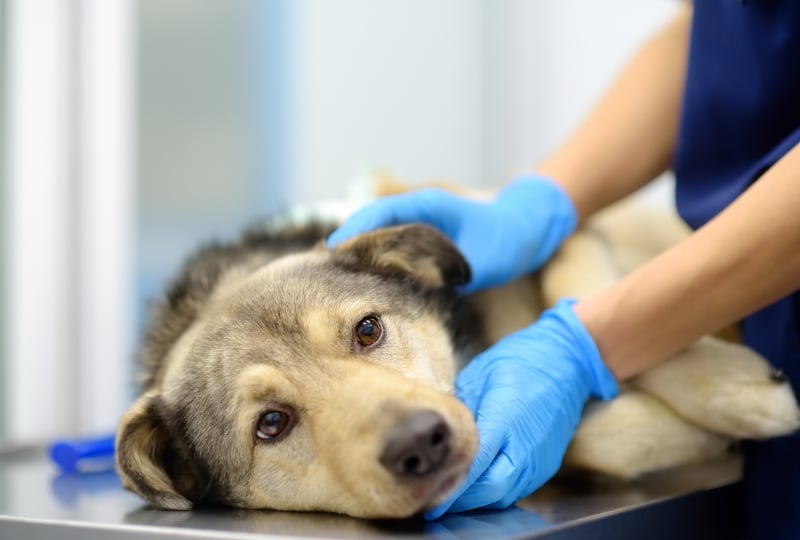
As a pet owner, you know your furry companion better than anyone else. You recognize their daily routines, playful habits, eating patterns, and personality. Because of this, you are often the first to notice when something seems unusual. While some changes may be temporary, others can signal a serious health issue that requires immediate attention.
Many pet illnesses and injuries become more difficult to treat when left unchecked. Therefore, recognizing the early warning signs can make a significant difference in your pet’s recovery. Acting quickly not only helps relieve your pet’s discomfort but may also prevent complications that could threaten their overall well-being.
Some symptoms are obvious, such as severe bleeding or difficulty breathing. However, many health concerns begin with subtle behavioral or physical changes. Paying close attention to these signs allows you to seek veterinary care before a minor problem develops into a major emergency. If you are looking for trusted care for your beloved companion, Rice Creek Animal Hospital proudly serves pet families in Lino Lakes, MN.
Why Early Veterinary Care Matters
Pets cannot tell us when they feel sick or are in pain. Instead, they communicate through changes in their behavior, appetite, energy level, and appearance. Unfortunately, many animals instinctively hide signs of illness, making it even more important for owners to remain observant.
Prompt veterinary attention offers several benefits, including:
- Earlier diagnosis of health conditions
- Faster treatment and recovery
- Reduced risk of complications
- Better pain management
- Improved quality of life
- Lower treatment costs in many cases
The sooner a medical problem is identified, the more treatment options may be available.
Sudden Loss of Appetite
Most healthy pets look forward to mealtime. Therefore, refusing food without an obvious reason should never be ignored.
A temporary decrease in appetite may occur due to stress or environmental changes. However, if your pet skips meals for more than a day or completely refuses food while showing other symptoms, it may indicate an underlying health problem.
Possible causes include:
- Dental disease
- Digestive disorders
- Kidney disease
- Liver disease
- Infection
- Pain
- Fever
Likewise, if your pet suddenly drinks far more or far less water than usual, this change deserves professional evaluation.
Vomiting or Diarrhea That Continues
Occasional vomiting may not always indicate an emergency. Pets sometimes develop mild stomach upset after eating something unusual. However, repeated vomiting or persistent diarrhea should always be taken seriously.
Watch for additional warning signs such as:
- Blood in vomit or stool
- Extreme lethargy
- Refusal to eat
- Signs of dehydration
- Abdominal pain
Young puppies, kittens, and senior pets can become dehydrated very quickly. Consequently, prompt veterinary care is essential.
Difficulty Breathing
Breathing problems require immediate medical attention.
If your pet is breathing rapidly, struggling to inhale, wheezing, coughing excessively, or breathing with an open mouth, do not wait to see if the symptoms improve.
Respiratory distress may result from:
- Heart disease
- Lung infections
- Allergic reactions
- Heatstroke
- Airway obstruction
- Trauma
Because oxygen is critical for every organ, delayed treatment can quickly become life-threatening.
Unusual Lethargy or Weakness
Every pet enjoys relaxing from time to time. However, there is a significant difference between normal rest and abnormal lethargy.
If your normally active pet suddenly becomes unwilling to play, walk, or interact with family members, it could signal an underlying medical condition.
Common causes include:
- Infection
- Internal pain
- Anemia
- Heart disease
- Metabolic disorders
- Poisoning
Even if your pet appears comfortable, persistent weakness should never be ignored.
Limping or Trouble Walking
Changes in mobility often indicate pain.
A pet that limps, avoids putting weight on a leg, struggles to climb stairs, or has difficulty standing may be suffering from an injury or orthopedic condition.
Potential causes include:
- Sprains
- Fractures
- Torn ligaments
- Arthritis
- Joint disease
- Paw injuries
Continuing to exercise an injured pet can worsen the damage. Instead, limit activity and have your companion examined as soon as possible.
Excessive Scratching or Skin Problems
Healthy skin should appear clean and free from excessive redness or irritation.
If your pet constantly scratches, bites, or licks one area of the body, an underlying issue may be developing.
Common skin conditions include:
- Fleas
- Ticks
- Allergies
- Skin infections
- Hot spots
- Mites
You may also notice hair loss, flaky skin, unpleasant odor, or visible sores. Early treatment helps prevent infections from becoming more severe.
Changes in Urination
Bathroom habits provide valuable clues about your pet’s health.
Watch carefully for symptoms such as:
- Frequent urination
- Difficulty urinating
- Blood in the urine
- Accidents inside the house
- Straining without producing urine
Urinary blockages, infections, bladder stones, and kidney disease can all produce these symptoms.
Male cats experiencing urinary blockage require emergency treatment because the condition can become fatal within a short period. If you notice any urinary concerns, contact a veterinarian in Lino Lakes, MN promptly for an evaluation.
Eye Problems That Should Never Be Ignored
Your pet’s eyes should appear bright, clear, and free from excessive discharge. Sudden changes in eye health often indicate discomfort or an underlying medical condition that requires prompt attention.
Watch for signs such as:
- Red or swollen eyes
- Squinting
- Cloudy appearance
- Excessive tearing
- Yellow or green discharge
- Pawing at the face
Eye injuries and infections can worsen quickly. Seeking veterinary care as soon as symptoms appear may help protect your pet’s vision and prevent long-term complications.
Persistent Coughing
An occasional cough may not be alarming, but frequent or persistent coughing should never be dismissed. It can indicate problems affecting the respiratory system or even the heart.
Possible causes include:
- Respiratory infections
- Heart disease
- Allergies
- Kennel cough
- Airway irritation
If coughing is accompanied by difficulty breathing, weakness, or loss of appetite, your pet should receive immediate medical attention.
Swollen Abdomen or Signs of Pain
A swollen abdomen is always a reason for concern. Likewise, signs of pain may be subtle, especially since many pets instinctively hide discomfort.
Look for behaviors such as:
- Whining or crying
- Restlessness
- Hunched posture
- Reluctance to move
- Sensitivity when touched
- Panting without exercise
These symptoms may be associated with internal bleeding, digestive disorders, organ disease, or other serious conditions. Early diagnosis can significantly improve treatment outcomes.
Seizures or Loss of Consciousness
Witnessing a seizure can be frightening. During a seizure, your pet may collapse, paddle their legs, drool excessively, or lose awareness of their surroundings.
Although some seizures last only a short time, they always warrant veterinary evaluation. Potential causes include:
- Epilepsy
- Toxin exposure
- Low blood sugar
- Brain disorders
- Liver disease
If your pet loses consciousness or experiences repeated seizures, seek emergency veterinary care immediately.
Sudden Behavioral Changes
Behavior often provides valuable clues about a pet’s overall health. A normally friendly animal that suddenly becomes withdrawn, aggressive, anxious, or confused may be experiencing pain or illness.
Pay attention if your pet:
- Hides more than usual
- Avoids family interaction
- Shows unexpected aggression
- Appears disoriented
- Becomes unusually vocal
- Seems restless throughout the day
Behavioral changes should always be discussed with your veterinarian, particularly when they develop suddenly.
Possible Poisoning
Household products, medications, certain foods, and outdoor chemicals can all pose serious risks to pets.
Common warning signs of poisoning include:
- Vomiting
- Excessive drooling
- Tremors
- Difficulty walking
- Seizures
- Collapse
If you suspect your pet has ingested a toxic substance, do not wait for symptoms to worsen. Contact your veterinarian immediately and provide as much information as possible about the suspected toxin.
Trust Your Instincts
One of the most important tools you have as a pet owner is your familiarity with your companion’s normal behavior. If something feels different, trust your instincts.
Even subtle symptoms can point to developing health concerns. It is always better to have your pet examined early rather than risk allowing a medical condition to progress.
When in doubt, speaking with a veterinary professional can provide peace of mind and ensure your pet receives the care they need.
Preventive Care Makes a Difference
Although emergencies cannot always be prevented, regular wellness visits play an essential role in keeping pets healthy.
Routine examinations allow veterinarians to:
- Detect illnesses before symptoms become severe
- Monitor weight and nutrition
- Recommend preventive screenings
- Update vaccinations
- Identify dental problems
- Discuss parasite prevention
Preventive care supports a longer, healthier, and happier life for your pet while reducing the risk of unexpected medical emergencies.
Recognizing the early warning signs of illness or injury is one of the best ways to protect your pet’s health. Whether you notice changes in appetite, breathing, mobility, behavior, or bathroom habits, prompt action can make a meaningful difference in your companion’s recovery.
Delaying treatment may allow a manageable condition to become more serious. By staying attentive and seeking professional care when something seems unusual, you give your pet the best opportunity for a healthy future.
If your pet is showing any of these warning signs or if you simply have concerns about their well-being, don’t wait. Contact a veterinarian for a thorough evaluation. Schedule an appointment with Rice Creek Animal Hospital.
Frequently Asked Questions
1. How do I know if my pet needs immediate veterinary care?
If your pet has difficulty breathing, persistent vomiting, severe lethargy, seizures, excessive bleeding, or sudden changes in behavior, seek veterinary attention as soon as possible.
2. Is it normal for my pet to skip one meal?
Some pets may occasionally miss a meal due to stress or minor stomach upset. However, if the loss of appetite lasts longer than 24 hours or occurs alongside other symptoms, a veterinary examination is recommended.
3. Should I take my pet to the vet for limping?
Yes. Even mild limping can indicate an injury, joint problem, or hidden pain. Early evaluation helps prevent additional damage and supports a faster recovery.
4. Why is my pet drinking more water than usual?
Increased thirst may be associated with conditions such as kidney disease, diabetes, hormonal disorders, or infection. A veterinarian can determine the underlying cause through a physical examination and diagnostic testing.
5. What should I do if my pet eats something toxic?
Contact your veterinarian immediately. Avoid inducing vomiting unless specifically instructed by a veterinary professional, as doing so may worsen certain situations.
6. How often should my pet have a wellness examination?
Most healthy adult pets benefit from an annual wellness exam, while puppies, kittens, senior pets, and those with chronic medical conditions may require more frequent visits based on your veterinarian’s recommendations.

